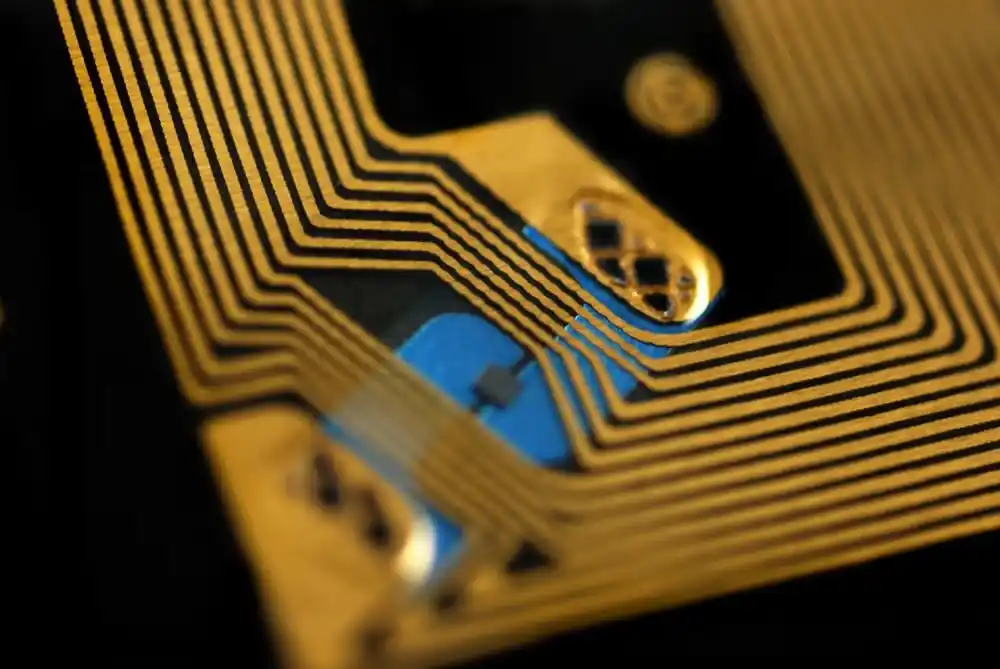
You test a tag on your desk, it reads 8 meters. You mount it on a steel rack, it suddenly dies at 2 meters.
Nothing “mystery”. Real RFID read range comes down to three big knobs:
Reader power and frequency
Antenna design, both reader and tag side
Material and environment around the tag
Let’s walk through them with real-world usage like logistics, laundry, retail and animal ID, and see where a custom factory like CXJ Smart Card fits in.
RFID Reader Power and Frequency
Passive vs Active RFID Read Distance
Most projects use passive tags. No battery, the tag wakes up only when the reader feeds enough RF energy. That’s your link budget.
Rough ranges in normal systems:
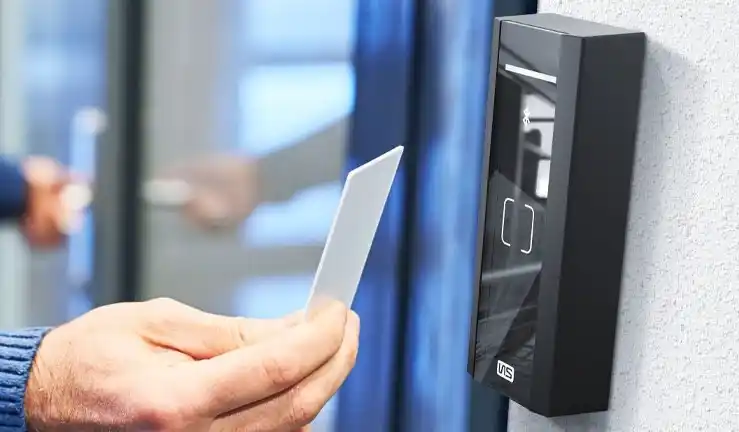
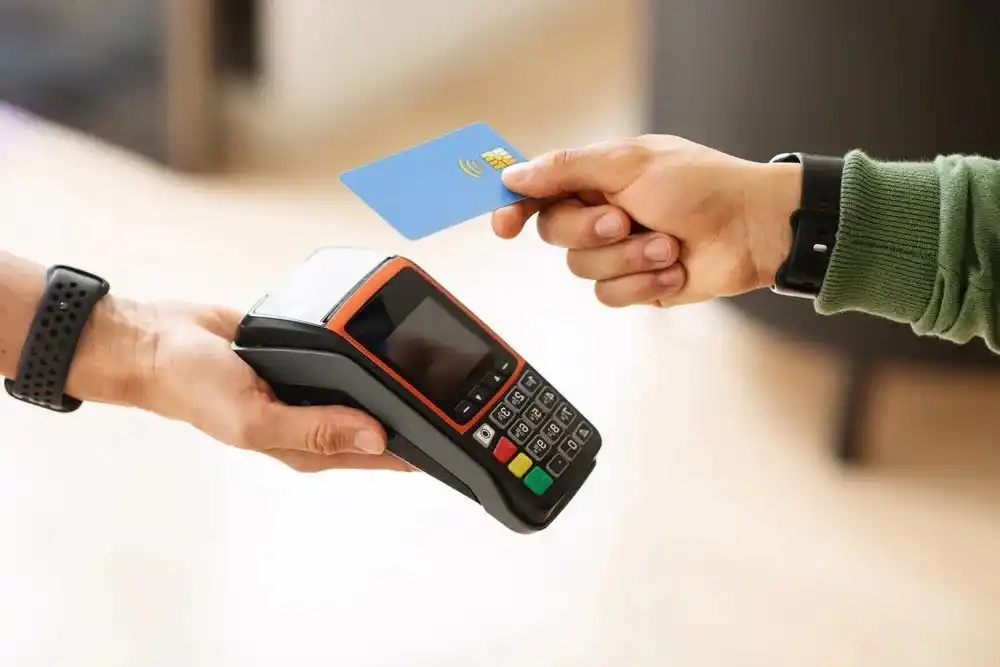
HF / NFC (13.56 MHz) – few centimeters. Good for RFID cards and NFC tags in access control, loyalty, payment.
Passive UHF – from under one meter to 10+ meters, depending on antenna, power, and environment. Very common for RFID sticker labels and pallet tracking.
Active or battery-assist – much longer distance, but higher cost and more maintenance. Usually for high-value asset tracking, not everyday labels.
So when someone asks “How far can this tag read?”, the honest answer is: depends on frequency, tag type and how we run the system, buddy.
Why “Just Turn Power Up” Doesn’t Fix Everything
Yes, more power helps. But distance does not grow linear:
Double the reader power → you don’t get double range.
At some point the RF noise floor and local rules limit you.
High power with bad antennas just create more reflections and ghost reads.
If your project plan only says “crank the reader to max”, that’s not very good idea. You still need the right antenna and tag design, otherwise the link budget leak away in cables, mismatch and environment.
RFID Antenna Design, Orientation and Polarization
Reader Antenna Gain and Read Zone
Reader antenna is where a lot of magic (and pain) happens.
High-gain directional antenna
Longer read distance in front.
Narrow beam, good for portals and choke points.
Lower-gain or near-field antenna
Shorter range.
Wide and soft read zone, better for desktop, POS or smart cabinets.
So for a dock-door with cartons using RFID sticker labels, you usually put two or four directional UHF antennas and build a clean RF tunnel. For a gym or festival using RFID/NFC bracelets, you want short, clean tap range so you don’t read the whole crowd.
Also check cable loss. Long cheap coax between reader and antenna eats dBs. I see many sites where “the antenna gain are high” on paper, but the real EIRP at the antenna is much lower because of long cables and too many connectors.
Tag Antenna Size, Orientation and Tag Population
Tag side also matters a lot:
Antenna size – bigger passive UHF inlay usually gives more range. Micro inlay fits small items but you pay with distance.
Orientation & polarization – linearly polarized reader wants the tag lined up. Rotate 90°, and range can drop crazy.
Placement – if other items block the tag, or you hide it behind thick plastic, the read area are small.
In warehouse language we call this read zone tuning. You tweak tag placement, tilt the antennas a bit, maybe change the inlay model, until you get stable reads on your tag population.
Because CXJ Smart Card does its own RFID/NFC inlays, we can pick or tweak antenna patterns for your box size, label size, and chip type. That helps you go from “it sometimes read” to “portal commissioning passed”.
Materials, Environment and On-Metal RFID Tags
RFID on Metal, Glass and Liquid Goods
Metal and water are classic read-range killers:
Metal reflects RF and detunes many standard UHF tags.
Water or high-moisture goods absorb energy and also shift tuning. Think cosmetics, drinks, fresh food.
That’s why normal paper UHF label on a steel tool box behaves like totally different beast vs same label on cardboard.
For metal assets, you go with on-metal tags. CXJ’s Anti-Metal ABS UHF RFID tags use tuned UHF antennas plus plastic housing. They stay readable when screwed or glued on metal racks, IT assets, tools and so on.
For bottles or glass, you place the UHF label at the sweet spot – often around the neck or a specific height on the bottle – and test with your real reader. That’s also where a quick RF survey with different sample labels saves you from a bad rollout.
Laundry, Wash Care Labels and Harsh Environments
Laundry is another tricky world:
Wet textiles, stacked thick
Metal trolleys and cages
High temperature, chemicals, presses
Read range in the plant changes as items move from dirty, wet piles to clean, flat, folded state. If the tag or inlay was not designed for that, range slowly dies after some cycles.
That’s why CXJ builds PPS and silicone laundry tags and soft RFID wash care labels. They handle high-temp wash, drying and ironing, and still give stable read performance in the tunnel or exit gate. You get less “no-read” tickets and less manual fixes.
For animal ID, tiny glass transponders go under the skin. They live inside tissue (lots of water), so range is short by design and that’s okay. Our animal glass tube tags are made for close-up scanning at clinics and farms, not long-range portals. The reader is handheld, you put it close, job done.
Key RFID Read Range Factors (Quick Table)
Here’s a small cheat sheet you can drop into your project doc:
Factor
Impact on read range
Typical use / CXJ product
Reader power & frequency
More power and UHF band give longer distance, but with diminishing returns.
HF RFID cards and NFC tags for tap; UHF labels for pallets and cartons.
Reader antenna gain & pattern
High gain = long, narrow read zone; low gain = shorter, wide area.
All these knobs are nice, but you still need a partner who can actually build the right tag or card, not only talk about them.
CXJ Smart Card is a factory-direct custom RFID manufacturer. We run multiple lines for cards, inlays, tags, wristbands and laundry labels, under ISO 9001 / 14001 and full outgoing test. We do:
OEM/ODM on shape, chip, frequency band, material, printing, encoding
Fast samples, flexible MOQ, global shipping
Free samples and test reports, so you can pilot quickly and then scale confident
RoHS / REACH materials and 100% inspection, so quality stays stable from first lot to big roll-out
That means when your team says “read range in the portal is unstable” or “laundry tags dying after wash 40”, we don’t just send you a catalog PDF. We look at your read zone, pick or tune the right inlay, and help you fix the pain point in real life.
In short: power + antenna + material decide RFID distance. But the real win is when your tags, readers and process are tuned together. That’s the part a custom factory like CXJ can help you nail from prototype to mass production.