If you run a factory, you’ve seen the same movie a hundred times. A batch of uniforms disappears. PPE comes back late (or never). Sizes get mixed. Someone says, “We returned it.” The laundry says, “We didn’t receive it.” Meanwhile production wants clean gear now, and EHS wants proof you’re doing the right thing.
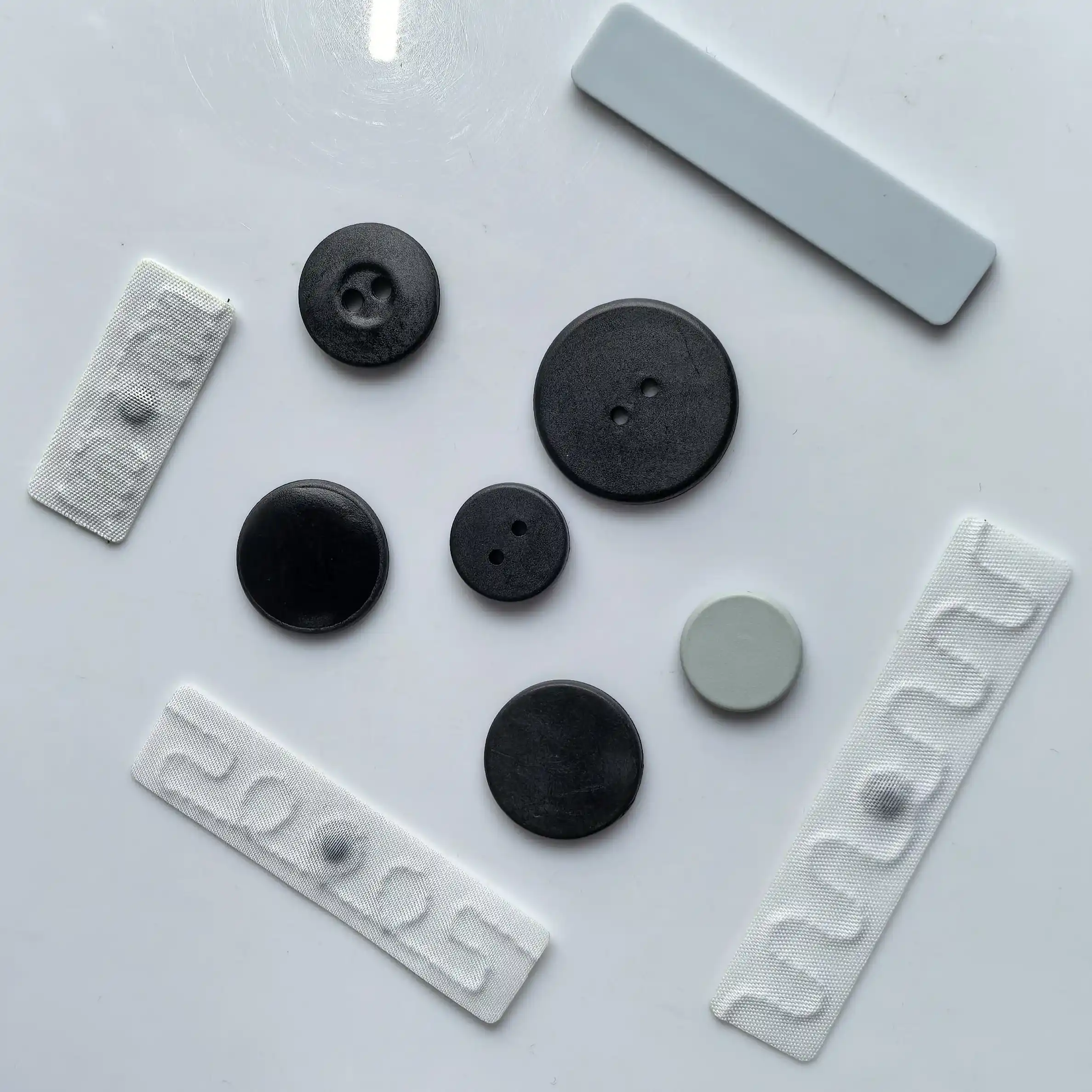
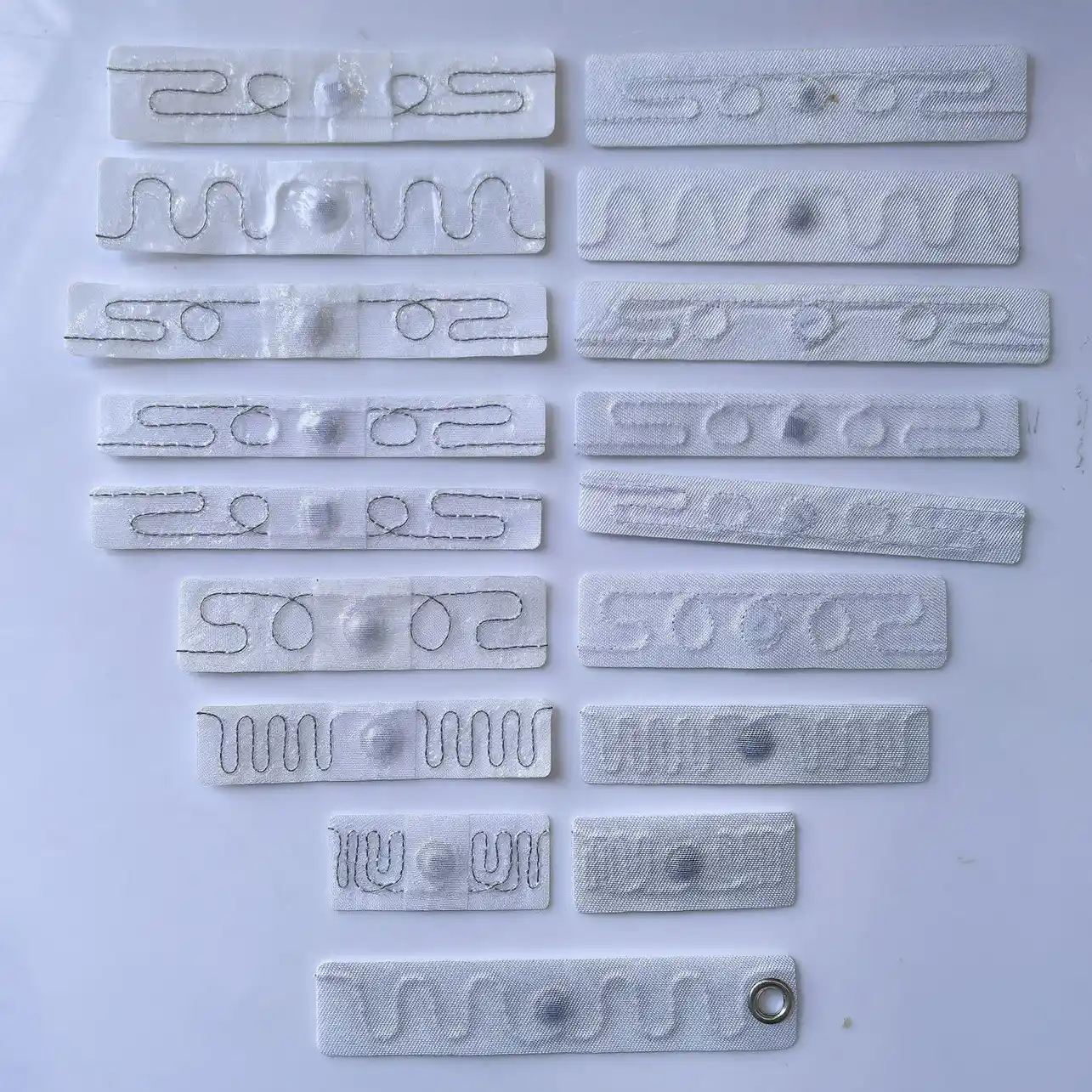
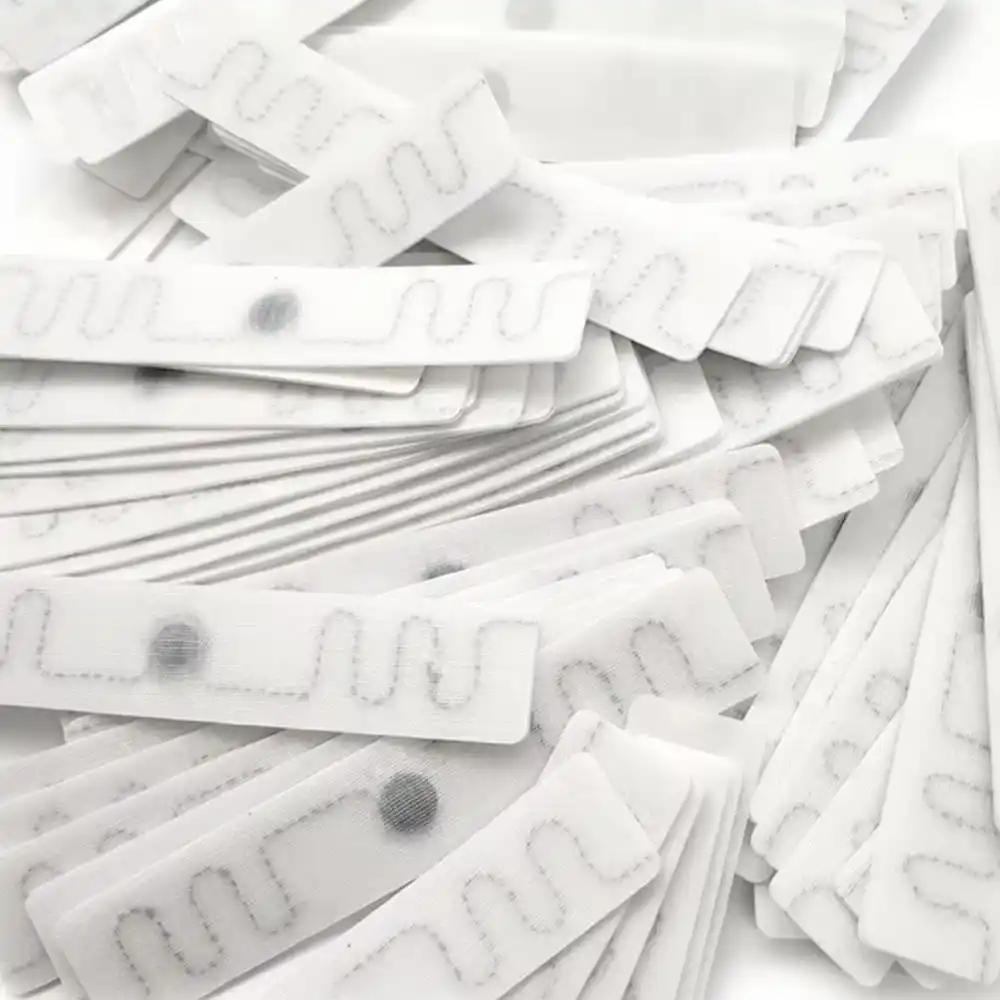
That’s where RFID laundry tags and RFID wash care labels fit. They give every garment a digital ID, so you can track it through the whole wash loop without slowing people down.
Below is a practical, factory-style argument map. It’s conversational on purpose, but the logic is tight. I also map each use case to the right product categories from CXJ Smart Card (OEM/ODM, encoding, and large-volume supply).

You don’t manage “200 jackets.” You manage 200 individual assets. That one shift fixes a lot.
Once each item has a unique ID, you can answer:
That’s how you cut shrink, stop “ghost inventory,” and calm down line supervisors.
Where CXJ fits: start with wash-safe tags and labels made for textiles.
Manual sorting is slow, and it leaks errors. People don’t do it wrong on purpose. They do it wrong because it’s repetitive, loud, hot, and rushed.
UHF bulk reads let you scan whole bags or batches fast, then auto-route them:
You can build an “exception lane” too. If the read set doesn’t match the expected set, the system flags it before it hits production. No drama later.
Where CXJ fits: textile UHF tags + labeling for carts/bins.
Factories waste time because they don’t see inventory states clearly:
RFID gives you reconciliation at each handoff. It’s like cycle counting, but for garments.
This is the part managers love: less arguing, more facts. You stop chasing missing items with phone calls. You just check the last scan.
Source for this argument: CXJ product positioning and catalog scope for laundry labels + bulk supply, plus common laundry flow design (intake → sort → wash → pack → issue).
Where CXJ fits: scalable tags/labels and OEM/ODM supply chain support.
For PPE, the goal isn’t only “don’t lose it.” It’s “maintain it right.”
So you tie PPE type → wash program:
Then you enforce it with scan points:
If the item tries to skip a step, it gets blocked into exception handling. It sounds strict, but it saves you later.
Where CXJ fits: wash-safe identifiers that stay readable through rough handling.

PPE has a life. After enough wash cycles, it needs inspection or retirement. If you don’t track that, you’re guessing. Guessing is not a safety plan.
RFID makes wash-cycle counting simple:
This also reduces over-buying, because you stop “panic replacing” gear that’s actually fine.
Where CXJ fits: labels/tags plus encoding and personalization, so lifecycle data stays consistent across plants.
RFID works best when you close the loop. That means you scan at:
Real factory scenario:
Now you can run the program like a closed-loop system, not a “hope it comes back” system.
Where CXJ fits: mixed tag formats plus hard tags for metal carts or racks.
Audits don’t care about stories. They want records.
RFID gives you a clean audit trail:
That helps EHS and QA, and it also helps ops. When a shift lead says “we’re short,” you can prove whether the shortage is real or just stuck in the wrong place.
Where CXJ fits (business value):
At CXJ Smart Card, we support large roll-outs with OEM/ODM customization (chip, antenna, material, shape, print, and encoding). We also back it with factory production lines, ISO-led QC, and outgoing inspection, which matters when you standardize across many sites.

People mess up RFID projects by focusing on “tag price” and ignoring the real killers:
So do this instead:
Where CXJ fits: one-stop customization helps you keep the tag spec stable while you tune placement and read zones.

| Argument title (keyword) | What you track in the plant | What usually improves | Source you can cite internally |
|---|---|---|---|
| Item-level workwear tracking | shrink rate, missing items, wrong-size issues | fewer losses, faster locating | CXJ product catalog: laundry tags + wash care labels |
| UHF bulk reads for sorting | sort errors, rework, time per batch | higher throughput, fewer mix-ups | RFID laundry workflow design + CXJ UHF tag category |
| Inventory reconciliation | clean/dirty/on-route counts | fewer stockouts, better planning | process data from scan events |
| PPE compliance control | wrong-program events, exception rate | fewer compliance gaps | PPE program rules + scan checkpoints |
| Wash-cycle count | over-limit items, missed inspections | better lifecycle control | lifecycle counter stored per item ID |
| Closed-loop issue/return | unreturned rate, locker variance | stronger accountability | issue/return scan logs |
| Audit trail reporting | audit prep time, dispute rate | faster proof, less arguing | event history reports |
| Tag selection & read zones | read rate, tag damage rate | stable reads, less downtime | pilot test results + CXJ OEM/ODM iteration |
| Factory need | Recommended CXJ category | Why it fits |
|---|---|---|
| Garments tracked through wash | RFID Laundry Tags | wash-safe identity per item |
| ID built into garment label | RFID Wash Care Labels | clean look, wearable, less snag |
| Bins, bags, carts, bundles | RFID Sticker Labels | track containers and batches |
| Metal racks and cages | Anti-Metal ABS UHF RFID Tags | reliable reads near metal |
| Converting labels in-house | RFID/NFC Inlay | flexible for OEM line setups |
| Big rollout across sites | Custom RFID Manufacturer | OEM/ODM, encoding, scale supply |