Offline stores still lose a lot of value at the door. You get footfall, but you don’t get signal. People walk in, touch products, try stuff on, then leave. Your CRM learns almost nothing. Your staff guesses what customers want. Your marketing team reports “good traffic” like traffic pays rent.
NFC tags don’t fix everything. But they fix one big thing: they turn physical moments into measurable tap touchpoints. One tap can kick off check-in, load a coupon, or open an interactive product page. And if you do it right, the whole thing feels natural, not like a tech demo.
Below is the argument, the proof points, and how you can build it with real, shippable hardware from CXJ Smart Card (factory-direct OEM/ODM, encoding + printing + QC in one line).
Product Categories from CXJ Smart Card
If you want store digitalization, you need different form factors for different spots. A shelf tag is not the same as a metal fixture tag. Here’s a clean mapping:
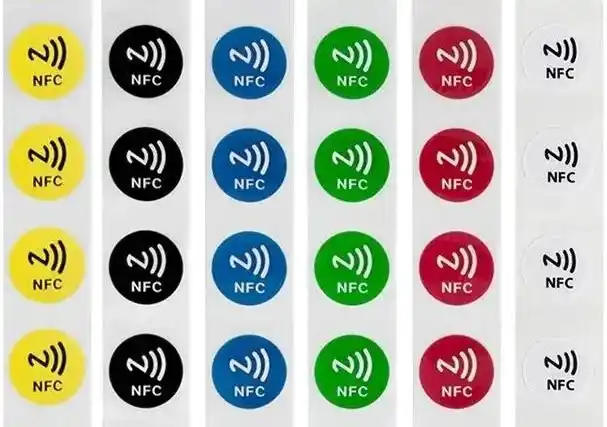
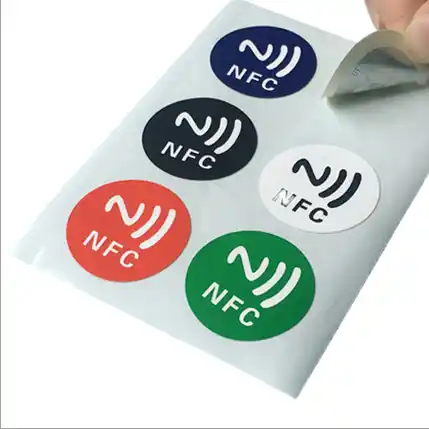
NFC Tags — labels, stickers, inlays, on-metal NFC; common NTAG family; options like paper/PVC/PET/FPC
RFID Sticker Labels — sticker formats for retail/logistics, custom adhesive, printing, encoding
RFID/NFC Inlay — roll/sheet inlays for converting and automated printing lines
RFID/NFC Bracelets — wristbands for events, VIP access, or staff workflows
RFID Cards — loyalty, membership, access, stored credentials
RFID Tags — hard tags (including anti-metal UHF), patrol tags, animal glass tube tags
Custom RFID Services — OEM/ODM from antenna + chip selection to printing, encoding, and packaging
That mix matters because “tap here” fails fast if the tag peels, reads slow, or hates metal.
Core Arguments Table
Keyword focus
Practical claim (what you can argue)
Business value (why it matters)
Source type (no links)
CXJ product fit
NFC store check-in
Entrance tap creates a session start you can track and connect to loyalty or queue flows
A store check-in doesn’t need to be “social”. It just needs to be useful.
Entrance “Tap to Start” flow (NFC store check-in)
Put one NFC tag at the entrance with a simple call-to-action:
“Tap to get today’s deal”
“Tap to join VIP perks”
“Tap to skip the line”
You instantly get a trackable event: tap time + store ID + campaign ID. Now your offline traffic has attribution. That alone helps your ops team stop arguing with marketing every Monday.
Queue + service desk check-in (line-busting)
This is the boring one that makes money. Put a tag on the queue pole:
Tap → choose service type → get a digital ticket
Staff sees a lightweight dashboard (even a tablet works)
Fewer “I’ve been waiting 30 mins” fights. People calm down. Conversion goes up because your store feels organized.
Hardware tip: if your entrance or fixtures are metal-heavy, use on-metal NFC. Normal inlays can get weak reads near metal. It’s a classic pilot-killer.
NFC Coupons and Redemption
Coupons don’t fail at “offer design”. They fail at redemption.
Tap-to-save coupon (NFC coupons)
At shelf, you place a tag:
Tap → opens a mobile page → “Save offer”
Optional: add to wallet, or store to a loyalty profile
This beats QR in real life because taps are fast and people don’t love opening camera apps in a crowded aisle. Also, you avoid the “scan won’t focus” chaos.
Tap-to-redeem at checkout (coupon redemption)
At POS you can do two patterns:
Customer taps their phone on the POS reader (if enabled) to redeem
Cashier taps a countertop tag that pulls up the redemption screen fast
Either way, you reduce friction. That’s line-busting. And you get better control, because digital coupons can enforce one-time rules, store rules, and time windows. Paper can’t do that… not really.
Use this phrase with retail buyers: “coupon leakage control.” They get it immediately.
NFC Interactive Experiences
If you only use NFC for promos, you’ll look like every other store. The fun part is using taps to solve “I’m not sure” moments.
Product shelf info (NFC interactive experiences)
Put NFC tags on shelf talkers:
Tap → product story, key specs, “compare to X”
Tap → reviews, how-to, care instructions
Tap → “check availability in my size”
This helps when staff is busy and customers don’t want to ask. It also creates intent data: which SKU gets taps but no purchase? That’s a merchandising clue, not just a marketing stat.
Fitting room help (interactive experiences)
A fitting room tap can do:
“Need another size?”
“Request a different color”
“Send to checkout / reserve 30 minutes”
That’s not gimmick. That’s conversion rescue. People abandon because help is slow.
Packaging tap (anti-counterfeit + onboarding)
For higher-value goods:
Tap packaging → authenticity page + warranty registration
Tap → onboarding tutorial + spare parts ordering
This is also where OEM/ODM matters, because packaging tags need correct materials, adhesives, and sometimes special form factor.
NFC vs BLE for Proximity Marketing
Here’s the truth: BLE sounds cool, but it often turns into noise.
NFC = customer chooses to tap (high intent, cleaner data)
BLE = store pushes in background (needs app + permissions + trust)
So keep BLE for later, when you already have an app people actually use. Start with NFC at high-intent zones:
entrance
feature displays
fitting rooms
checkout
Less spam. More signal. Better UX. Easy.
OEM/ODM NFC Tags for Retail Rollouts
Pilots fail for dumb reasons. Not strategy. Execution.
If your tag:
peels after a week,
stops reading near metal,
has messy encoding,
or prints fade,
…people stop tapping. Then your whole “digital store” story dies.
This is where CXJ Smart Card fits naturally: factory-direct OEM/ODM with flexible MOQ for pilots, plus printing + encoding + personalization, and QC-led production that’s designed to scale. Use Custom RFID Services to keep encoding consistent (UID/NDEF/keys), and pick the right tag type from the start: