Apparel retail runs on one thing: trustworthy stock-on-hand. If your system says “3 units,” but the rack is empty, you don’t just lose a sale. You lose the customer’s patience too. And when shrink shows up, it’s often too late to replay what happened.
That’s why more fashion brands and retailers treat RFID sticker labels (and RFID hang tags) as a daily ops tool, not some “nice-to-have.” Retail shrink is still a huge problem—NRF reported $94.5B in shrink for 2021.
Apparel retail inventory counting
Inventory counting in apparel is annoying for a simple reason: SKU density. You’ve got colors, sizes, and styles packed tight. Barcodes make you scan one-by-one. RFID lets you scan many items at once, even when labels aren’t visible.
RFID inventory counting and cycle counting
With RFID sticker labels, teams can do quick cycle counts (floor + backroom) without shutting down the store vibe. One Checkpoint write-up says RFID stickers can make stock counts up to 43 times quicker and reach up to 99% stock accuracy (their figures).
Is it always that exact? Depends on your process. But the direction is real: you shift from “annual panic count” to “small, frequent reality checks.”
Phantom inventory and omnichannel fulfillment
If you run BOPIS, ship-from-store, or “endless aisle,” you already know the pain: phantom inventory. You promise online, then your picker can’t find it. RFID helps because you can re-count fast, and you can run “where the heck is it?” searches around the store.
Nedap notes that weekly RFID counting can push stock accuracy to more than 98%.
Loss prevention and shrink visibility
RFID doesn’t just help you count. It helps you understand shrink, which is a different thing. Classic EAS alarms tell you “something left.” RFID can tell you what left (item-level), if you design it right.
Shrink Visibility and RFID as EAS
Sensormatic describes “Shrink Visibility” as combining EAS and RFID inventory visibility so retailers get a real-time view of what, when, and where items go missing. They also point out you can adopt RFID as an EAS technology to protect merchandise against shrink.
Here’s the simple ops version: you stop arguing in meetings about “maybe it’s counting error.” You get cleaner signals, then you can act.
Fraudulent returns and reverse logistics control
Returns are messy in apparel. People exploit generous policies, and stores struggle to prove patterns across locations. In Sensormatic’s planning guide, they describe using RFID at exits (RFID as EAS) plus RFID readers at returns desks to identify when and where stolen items get returned—because each item can carry a unique EPC.
That’s not magic. It’s just better evidence.
RFID tagging compliance and encoding
RFID only works when the data is clean. If 10% of items aren’t tagged, or tags are encoded wrong, you’ll feel it fast. Sensormatic warns that a 10–15% non-compliance rate in tagging can seriously undermine inventory accuracy and audit results.
Tag commissioning and EPC data quality
In real projects, “tag commissioning” is where things go sideways:
wrong EPC format
duplicate EPCs
weak inlay choice (poor read rates on dense racks)
inconsistent placement (tags blocked by foil prints, metal trims, etc.)
Fix that early and your cycle counts stop being a drama.
CXJ Smart Card product categories for apparel retail
On your site, CXJ Smart Card positions as a factory-direct OEM/ODM RFID manufacturer covering cards, tags, sticker labels, inlays, and garment/laundry solutions. You also highlight end-to-end customization and production controls (antenna design → encapsulation → testing → packaging) under international standards.
Below is how your product lines map to apparel workflows (and yes, you can mix them in one rollout).
CXJ product category
Apparel retail use case
Example internal link
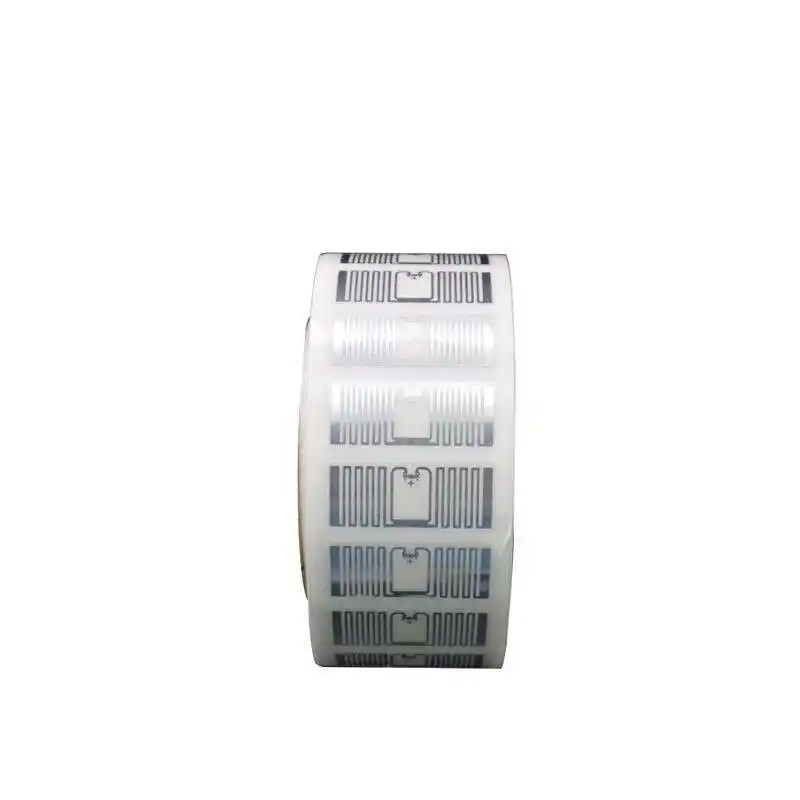
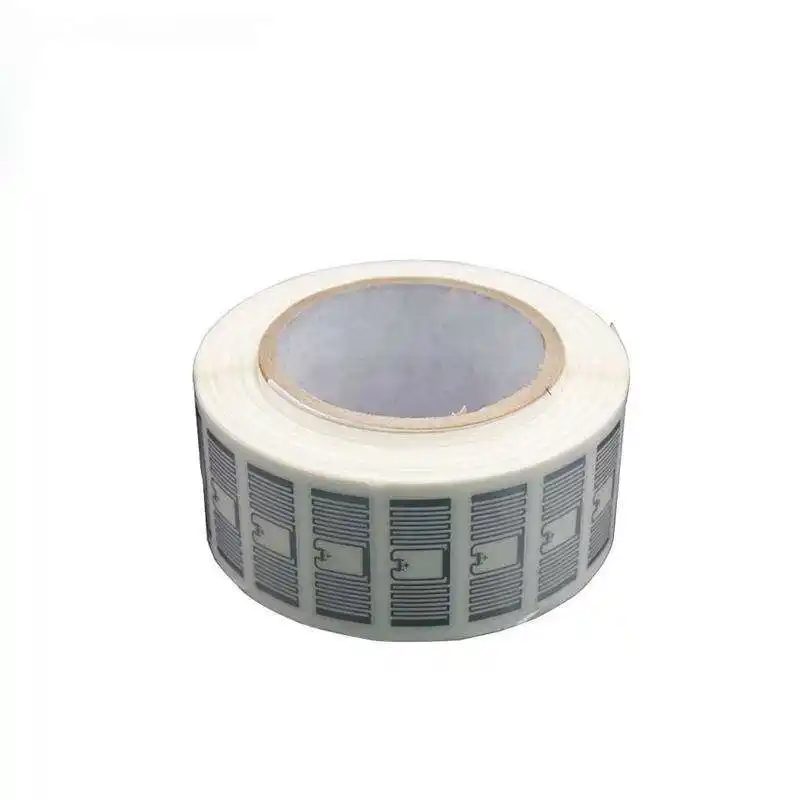
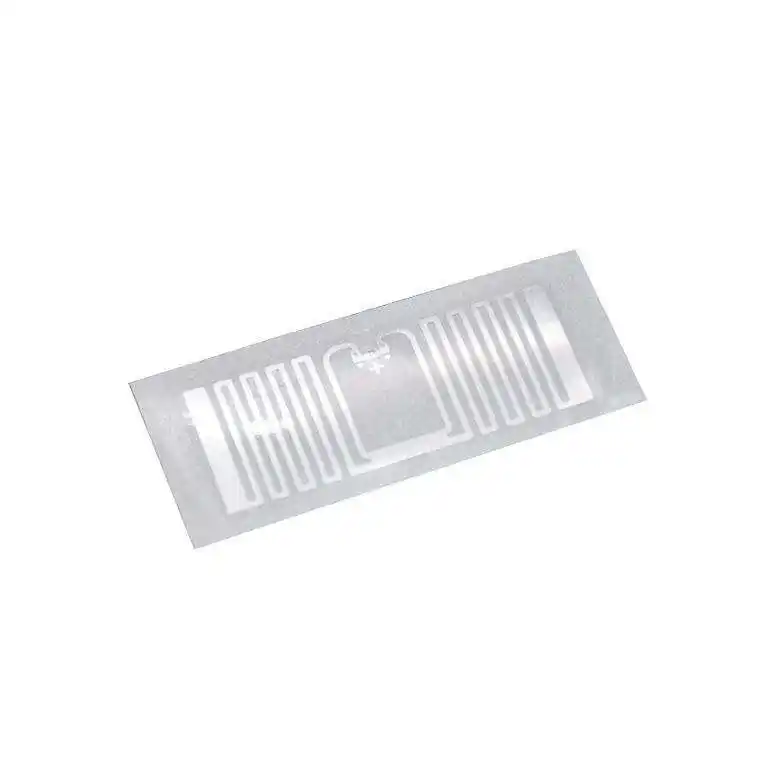
RFID sticker labels / hang tags
item-level ID for store counting, DC flow, basic LP workflows
You walk the floor with a handheld reader, sweep key departments, and catch gaps before peak traffic. That’s where RFID sticker labels shine. It make counts fast.
Backroom-to-floor refill
RFID helps you find missing sizes trapped in the back. Less “we’re out” when you’re not really out. Checkpoint also links RFID to fewer out-of-stocks and better availability (based on their client data).
Exits, fitting rooms, returns desks
If you add exit coverage (RFID as EAS) and connect it with item-level data, you can move from guessing to knowing. Sensormatic frames this as using RFID + EAS + analytics for better shrink control.
Where we fit in, without making it weird
If you want RFID to work, you need reliable converting and encoding, not just “some tags.” CXJ Smart Card talks about OEM/ODM production and a full process from design through testing. Your product pages also call out quality controls like ISO-led QC, materials compliance, and outgoing inspection for apparel-focused label lines. And your product hub mentions free samples and test reports available, which is honestly what buyers ask for first.
If you’re piloting, start with the simplest win:
one department, one reader workflow
clear encoding rules
consistent placement rules Then scale. Slow is smooth. Smooth is fast.