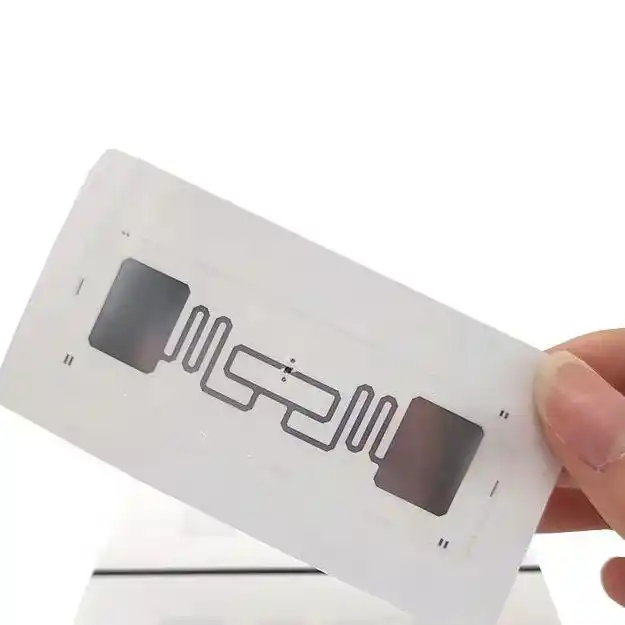
RFID projects don’t fail because tags “can’t be read.” They fail because the data plan is messy. You get duplicate IDs, “unknown tag” noise at dock doors, and a WMS/ERP that can’t match reads to real items. So let’s talk about the three IDs people mix up all the time—EPC, UID, and Serial Numbers—and how to plan them like you actually want clean operations.
Along the way, I’ll map this to the product families we build at CXJ Smartcard (factory-direct OEM/ODM, from antenna to finished goods, with encoding/personalization and ISO-led QC).
EPC, UID and Serial Numbers
Think of RFID like a warehouse conversation:
EPC = “This is the item’s public ID for the supply chain.”
UID (often from TID/Chip UID) = “This is the chip’s fingerprint.”
Serial Number = “This is the unique part you assign, but you must define which serial you mean.”
Here’s a quick table you can steal for your spec doc:
Data field
Where you’ll see it
What it’s best for
Typical “oops”
Source
EPC
UHF EPC memory (most common), sometimes HF mapping
Fast bulk reads, inventory, logistics, retail
Re-using EPCs across batches → ghost inventory
GS1 EPC concepts + shop-floor best practice
UID / Chip UID
Chip UID / TID (depends on chip family)
Anti-counterfeit checks, “tag identity,” encoding station control
Assuming UID = EPC (not always)
Chip/reader behavior (common RFID practice)
Serial Number
Inside EPC scheme or your backend
Uniqueness per item
Serial means 3 different things across teams
GS1 / ISO practice + DoD-style definitions
If you want a supplier that can encode and personalize (UID/EPC mapping, NDEF for NFC, CSV mapping, verification), build that into the PO from day one. We do this every week, so it’s not “extra work,” it’s just normal manufacturing workflow.
GS1 EPC and ISO/IEC encoding
Here’s my opinionated take: don’t invent your own ID format unless you enjoy rework.
When you stick to GS1 EPC or ISO/IEC structures, you get:
cleaner interoperability with integrators and software,
predictable parsing rules,
less “random tag clutter” in mixed environments (3PLs, shared DCs, contract laundries).
If you go “free-style” (ASCII dumps, SKU+date+random), it can work for a pilot. Then you scale, and it start breaking in weird places—especially when partners bring their own readers and middleware.
Serial Number planning for 96-bit EPC (SGTIN-96)
Most teams end up using 96-bit EPC because it’s widely supported and fast. Cool. But 96-bit schemes often come with constraints (for example: numeric-only serial rules in certain setups), and the rules around leading zeros can wreck your matching logic.
A simple rule that saves pain: write your serial policy like a contract.
Serial policy choice
Example
What can go wrong
Practical fix
Allow leading zeros
000034
Some systems treat it as “34” and dedupe it
Decide one format; pad only in UI, not in ID
Mix letters + digits
A12B9
Your EPC scheme may reject it
Keep EPC serial numeric; store fancy serial in DB
Reset serial each month
000001 every Jan
Duplicate EPC across time = chaos
Use global uniqueness, not calendar uniqueness
In real ops, duplicates don’t show up immediately. They show up during cycle count at 2am, when everything is moving fast and nobody wanna debug encoding rules.
Serial Number meaning in EPC, Product Serial, and UID
People say “serial number” and mean totally different stuff. So define it in your document, like this:
Term you should use
Meaning
Who cares most
Product Serial Number
Manufacturer’s product serial (printed/engraved)
Warranty, service, after-sales
EPC Serial (within scheme)
The unique portion inside EPC
WMS/ERP, inventory, retail compliance
Chip UID / TID
Silicon identity (often factory-set)
Security, authentication, encoding control
If you don’t define these three, your team will “merge” them by accident. Then somebody locks tags, and congrats… you just locked the wrong truth into thousands of units. It happens more than you think.
RFID encoding workflow: commissioning, write, verify, lock
A clean encoding workflow looks like this:
Commissioning: decide which EPCs exist, and mark them “issued.”
Lock (optional): apply access/lock rules when you’re sure.
This is where product choice matters, because different form factors live in different realities.
Memory Bank keywords: EPC, TID, User Memory
Here’s the super practical view:
Memory area
What teams store there
When it makes sense
Shop-floor note
EPC memory
EPC ID
Almost always (UHF logistics/retail/laundry)
Keep it short and standard
TID / UID
Chip identity
Anti-fraud, encoding station control
Great for “which tag am I writing?”
User memory
Extra fields (batch, asset class, flags)
Only if your readers are configured to read it
Don’t hide critical data here by accident
Now, let’s tie this to real CXJ product categories.
RFID Cards, NFC Tags, RFID Keyfobs
These are usually HF/NFC (13.56 MHz) and used for access control, attendance, membership, and tap-to-phone flows. Our RFID Cards support printing plus chip encoding/UID programming for system integration. Our NFC Tags cover labels/stickers/inlays/on-metal options and common NTAG chips for phone-friendly use. Our RFID Keyfobs often need durable materials and can include laser UID engraving + serial numbering + encoding keys, because people treat them rough, like daily keys.
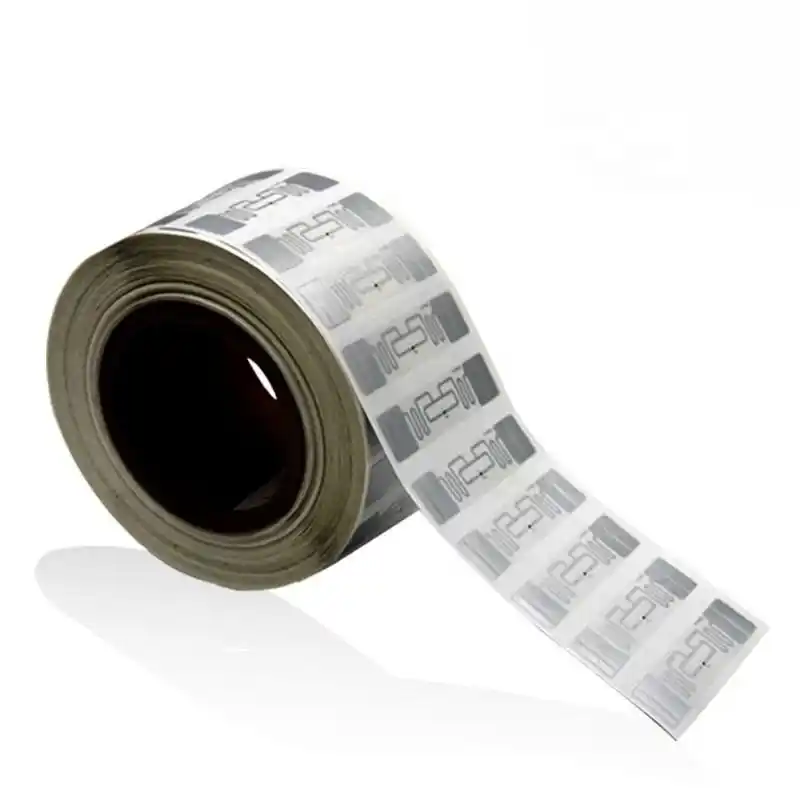
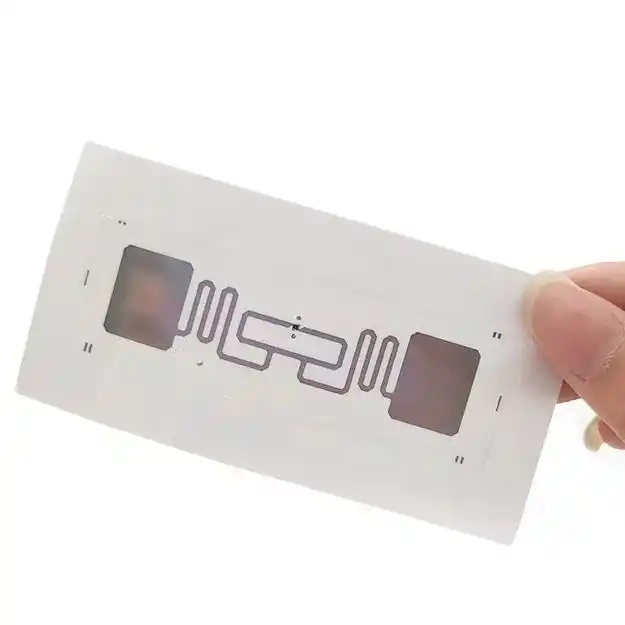
If you’re doing logistics, retail, or asset tracking, you’re probably in UHF land. Our RFID Sticker Labels support LF/HF/UHF chips, PVC/Paper/PET materials, and full customization (size, adhesive, encoding, printing). Our RFID/NFC Inlay lineup supports HF/UHF inlays for converting and automated production flows (roll/sheet formats).
Laundry is where encoding mistakes get punished fast. Tags get washed, sorted, and scanned in bulk, so duplicates become “missing linen” or bad billing.
RFID Laundry Tags target hotels, uniforms, rental textiles, industrial laundry tracking (materials like textile/silicone/PPS, and multiple mounting styles).
RFID Wash Care Labels integrate UHF chips into woven/care labels for apparel tracking, brand protection, and inventory management.
Practical argument: data hygiene beats “more data on tag”
Here’s the punchline: Don’t cram everything into the tag. Use EPC as your fast key, store rich data in your system, and use UID/TID when you need stronger identity checks.
A couple real-ish scenarios (short, but true enough):
Retail apparel: EPC on hangtag for fast cycle count, wash care label for lifetime identity. If EPC rules drift between suppliers, your store reads fine but your backend can’t reconcile. It’s a silent disaster.
3PL pallets: One duplicate EPC at a dock door turns into two ASNs fighting each other. Your team will blame the reader. It’s not the reader.
Industrial tools on metal: If you pick the wrong on-metal structure, you’ll get low read rate and “it dont work” feedback from the floor. Fix hardware first, then encode clean IDs.
Closing: make the encoding plan part of manufacturing, not an afterthought
If you want smoother rollout, bake these into your RFQ:
EPC scheme + serial rules (including leading-zero policy),
UID/TID usage rules,
write/verify requirements and whether to lock,
file format (CSV mapping), and verification report.
At CXJ Smartcard, we support OEM/ODM from antenna to finished tag, plus encoding/personalization, fast sampling, flexible MOQ, global shipping, and ISO-based QC with outgoing inspection. You pilot quick, then you scale without changing the rules mid-flight. That’s the goal. And yeah, sometimes your first spec will have tiny mistakes—no shame—but fix it before mass production, not after.
If you want, paste your current ID format (even messy one), and I’ll rewrite it into a clean EPC/UID/serial policy doc you can hand to your integrator and factory.