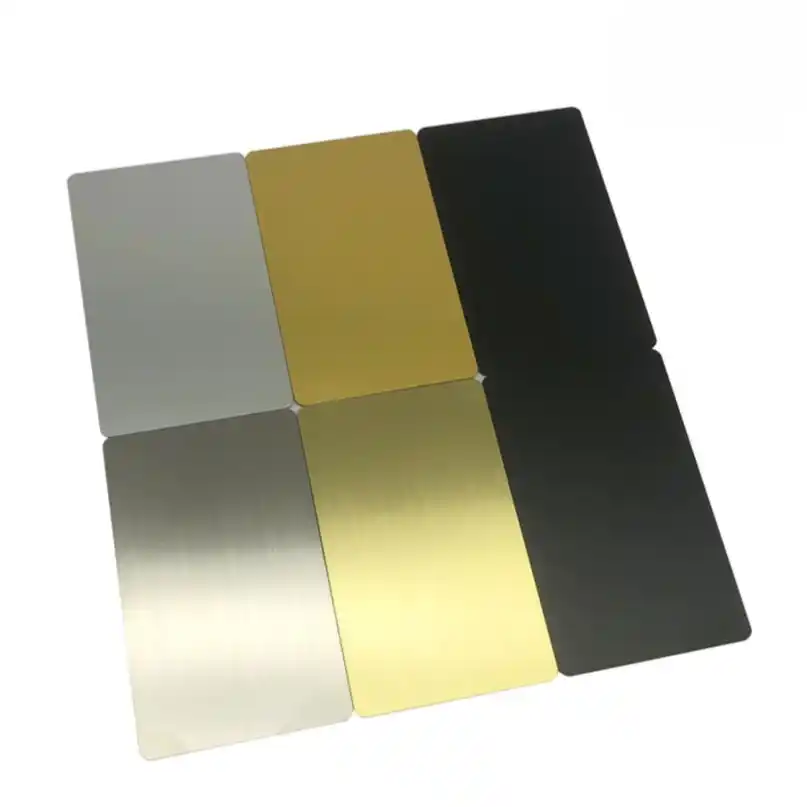
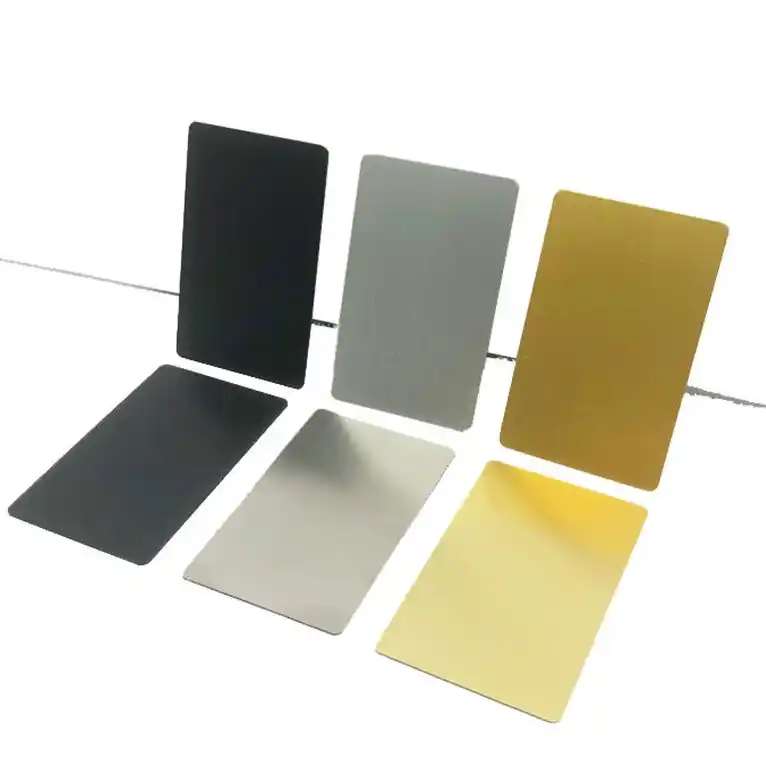
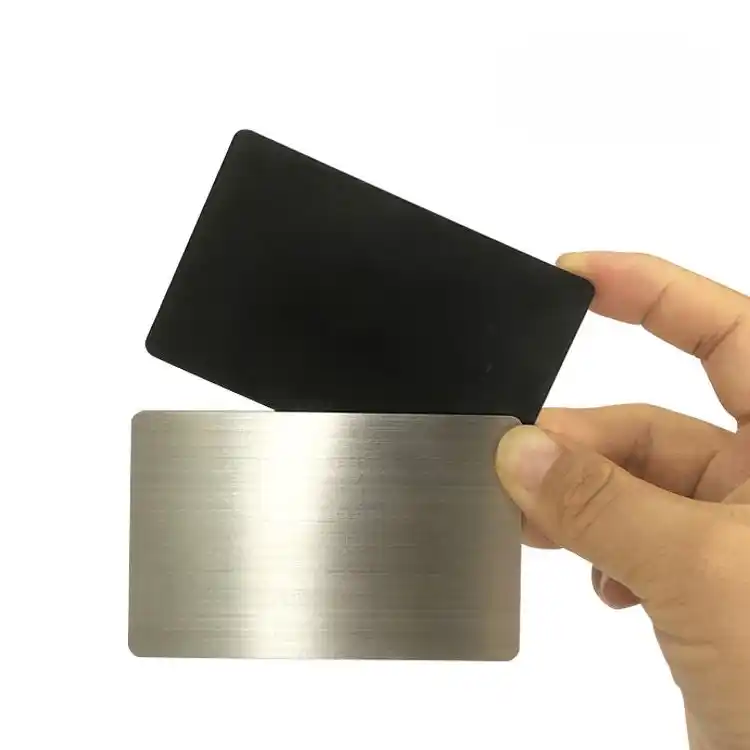
High-use RFID cards don’t live a calm life. They get bent in back pockets, rubbed by keys, tapped hard on readers, splashed with sweat, and sometimes “cleaned” with whatever chemical is nearby. If you pick materials like it’s a brochure, you’ll get field failures, shrinking read range, and the classic “why is this card dead again?” ticket storm.
This piece takes a clear position: durability is a system choice—standards language, substrate, lamination stack, print protection, and inlay build all matter. And yes, you can still pilot fast and scale without drama.
We’re CXJ Smart Card—a factory-direct OEM/ODM partner for RFID cards, tags, wristbands, labels, and inlays. If you want to see what we build, start at our Custom RFID Manufacturer overview and browse the Products hub.
Argument 1: ISO/IEC 10373-1 physical test methods define “durability” in measurable terms
People say “make it durable,” but they rarely mean the same thing. One buyer means “don’t crack.” Another means “don’t fade.” Ops usually means “don’t cause downtime.”
So you need test language that’s hard to argue with. ISO/IEC 10373-1 gives you that vocabulary. Three keywords show up again and again:
Peel strength: how well layers resist separating
Resistance to chemicals: the card doesn’t lose function or appearance after chemical exposure
Dimensional stability: the card stays stable under heat and humidity
Here’s the part many teams miss: run tests separately, not as one long “torture chain.” If you mix everything, you can’t tell what actually caused the failure. That’s how bad specs happen.
Practical move: Put these keywords into your RFQ. If a supplier can’t answer in this language, you’re basically guessing.
Argument 2: ISO/IEC 7810 ID-1 card physical characteristics explain where cards fail in high-use handling
Most “durable RFID” problems come from boring real-life stress:
ISO/IEC 7810 matters because it focuses on the card as a physical object: bending stiffness, warpage, laminated/bonded construction, and the idea that cards may contain inserts (like an inlay). If your use case is high-touch, these terms aren’t academic. They map to your actual returns.
Small story you’ll recognize: a gym issues a glossy membership card. It looks perfect on day one. By week three, the print scuffs, corners whiten, and then the read becomes “tap-tap-tap… maybe.” That’s not “RFID magic.” That’s mechanics plus a tired build.
Argument 3: PVC RFID card material works for standard programs, but it’s not always the safest pick for rough daily life
PVC is popular for a reason. It prints nicely, laminates well, and supports fast mass production. For many access and membership programs, virgin PVC is totally fine.
But in high-use environments—especially where cards bend a lot or see colder temps—PVC can be the “fine until it isn’t” choice. You’ll see:
If you’re buying for scale, we can still do PVC with stronger overlays and a better lam stack. Start from our RFID Cards lineup and tell us how people actually treat the card.
Argument 4: PETG RFID card material often survives high-frequency tapping and bending better than PVC
If your cards live a harder life, PETG is usually worth a serious look. PETG tends to handle bending and impact better, which matters in places like:
campuses (daily tap, backpacks, dorm life)
warehouses (gloves, drops, rough pockets)
gyms (sweat + friction + constant swiping)
events (fast issuance, lots of handling, lots of sharing attempts)
The trick is you can’t just say “PETG” and call it done. You also need a good lamination process so layers don’t separate and the inlay stays aligned.
If you’re unsure whether PETG is the right call, we can prototype quickly and tune the build before you commit. That’s the whole “pilot quickly, scale confidently” workflow we run through OEM/ODM Services: antenna + chip selection, printing, encoding, and full inspection.
Argument 5: Retransfer printing vs direct-to-card decides whether your card looks dead before it’s actually dead
A lot of “card durability failures” are cosmetic. The chip still responds, but the surface looks wrecked, so the user tosses it or the staff replaces it. That’s cost in labor and churn, even if the RFID still works.
Two print routes show up a lot:
Direct-to-card (DTC): fast, common, but the image can wear faster because it’s more exposed
Retransfer printing: places image under a film layer, so it usually resists abrasion better
If your environment includes constant rubbing (turnstiles, lockers, counters, pocket life), you should spec protective overlay/film. Otherwise you’ll “lose” cards early, not due to RF, but because they look like garbage.
Tip from the field: even a great substrate won’t save a weak surface. Customers judge with eyes first.
Argument 6: RFID inlay and antenna durability is the silent failure mode that kills read range
Here’s the painful one: the card looks okay, but it reads worse. You get intermittent taps, shorter distance, slower throughput. Then ops blames the readers, IT blames the tags, and nobody sleeps.
In high-use handling, the inlay takes damage from:
micro-cracks due to repeated bending
detuning when the card warps or sits on metal surfaces
lamination heat/pressure issues that shift the antenna position
That’s why one-stop manufacturing helps. When one supplier owns the antenna/inlay and the finished card build, you avoid “pretty card, weak internals” situations. If you’re integrating into other formats (labels, wristbands, keyfobs), our RFID Inlay options make it easier to keep RF performance stable across different housings.
Materials comparison table for high-use RFID cards
Material / build keyword
Best-fit high-use scenario
Failure you’re trying to prevent
What to put in your RFQ
PVC + overlay (laminated)
standard access, hotel keys, memberships
scuffs, corner cracks, early “looks dead” replacements
peel strength focus, abrasion expectation, separate tests
PETG + strong lam stack
gyms, campuses, warehouse access, daily tapping
bend cracks, edge lift, warped cards
bending/warpage checks, lamination control, sampling plan
Bonded/laminated construction (any substrate)
programs where RMAs hurt ops KPIs
delamination, bubble, shifting layers
peel strength targets, process controls, outgoing inspection