If you’ve ever worked a shift where the torque wrench vanished, the fixture “somehow” skipped calibration, or a spare part got swapped with the wrong revision, you already know the ugly truth: the shop floor doesn’t fail because people don’t care. It fails because info lives in the wrong place.
NFC tags fix that by putting the “truth” right on the asset. Tap, see, act. No hunting. No guessing.
And yeah—this is exactly the kind of work we build tags for at CXJ Smartcard (Custom RFID Manufacturer). We make factory-direct NFC tags, RFID labels, inlays, anti-metal UHF tags, and we do OEM/ODM so your rollout doesn’t get stuck at “prototype forever.”
Industrial asset management with NFC tags
Tap-to-identify: link physical assets to CMMS records
NFC works best when you treat the tag as a fast doorway, not a tiny database. Put a unique ID (or an NDEF link) on the tag, then jump straight into your CMMS/EAM screen: asset master, work orders, BOM, manuals, photos, and the “who touched it last” history.
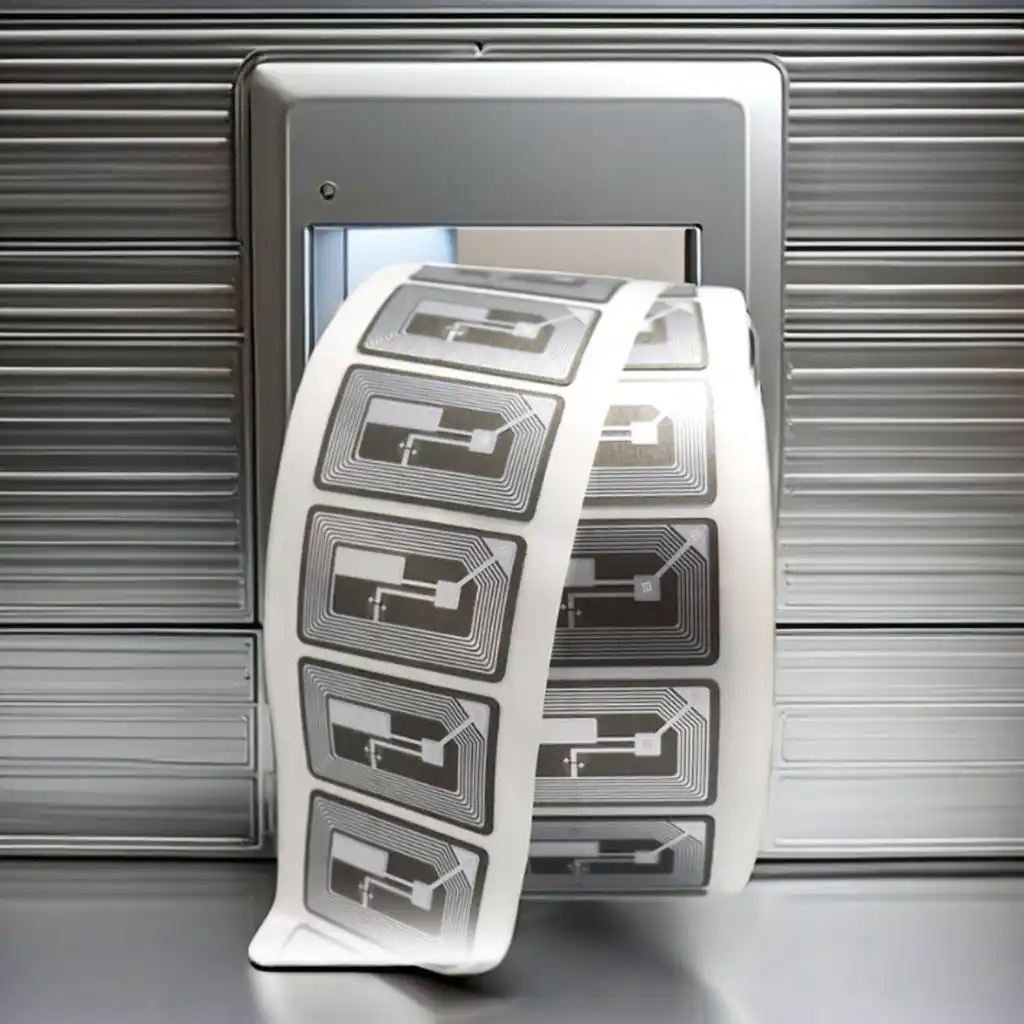
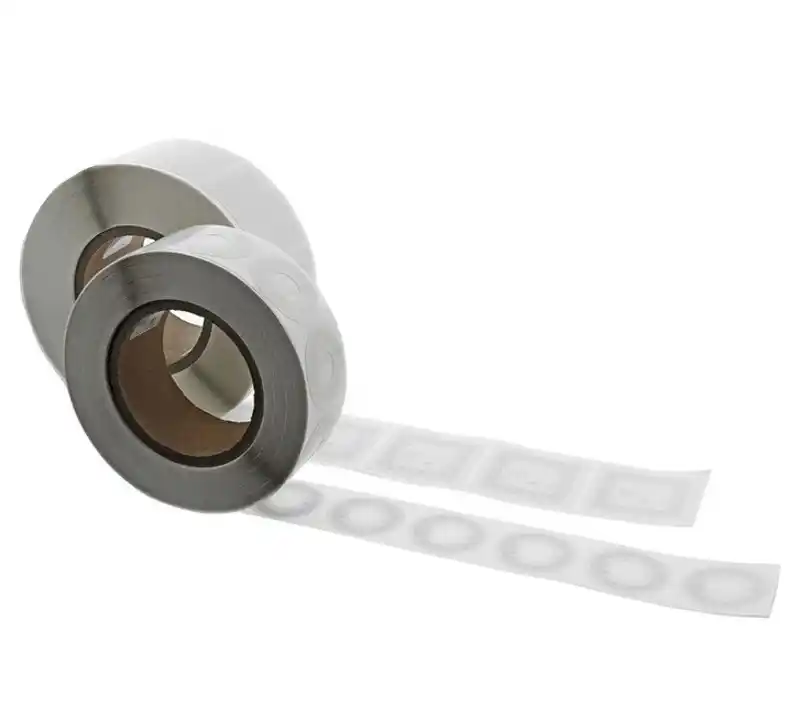
On our side, we typically build these as NFC labels, NFC stickers, NFC inlays, or on-metal NFC tags, depending on where you mount it.
Less typing, fewer fat-finger errors
Every manual entry step is a chance to mess up: wrong asset number, wrong location, wrong “completed” checkbox. With NFC, the tech taps first, the system loads the right asset, then they confirm what they did. It sounds small, but it stops a lot of dumb rework.
Tool tracking with NFC tags
Tools are perfect for NFC because tools move fast, and people don’t want to type.
Maintenance history on the tool, not in someone’s head
Here’s a clean workflow that actually sticks:
Tap the tool tag at the tool crib
The system opens tool profile + last maintenance + calibration due date
The tech checks it out, and the record updates in real time
If you’ve got tiny items (like specialty bits, gauges, surgical-style tooling), micro-size tags matter. We make FPC micro NFC tags that fit tight spaces and still handle rough conditions (heat/chemical/water resistance depends on build).
Proof of presence for inspections and 5S
NFC’s short range is great for one thing: you can’t fake “I was there.” Put tags on:
shadow boards
tool cabinets
line-side kitting carts
inspection checkpoints
Tap = “I’m physically at this station.” That creates a nice audit trail for 5S, EHS checks, and maintenance rounds. Patrol-style checkpoint tags are built for this kind of abuse. (If you want the patrol form factor, see RFID Patrol Tags.)
Fixture management and calibration checkpoints
Fixtures and jigs are expensive. They also love to disappear into WIP, then show up when you least want surprises.
On-metal NFC tags for metal fixtures
A normal NFC sticker can struggle on metal. That’s why on-metal (anti-metal) NFC tags exist. They keep performance stable when you mount on conductive surfaces. Our NFC category includes on-metal options for exactly this reason. Check the category here: NFC Tags
Common fixture setups that work well:
Calibration tap point on the fixture body
Setup sheet tap point on the storage rack
Changeover tap point at the press / cell
Now the operator taps, sees the right revision and last verification, and you dodge the “wrong jig, wrong run” nightmare.
Spare parts tracking and authentication
Spare parts are where traceability gets real, real quick. MRO rooms look organized until the urgent job hits. Then it’s chaos.
Replacement part authentication and serial validation
For critical spares (safety parts, high-value components, regulated assemblies), you can use NFC to help with:
serial / lot confirmation
revision control
receiving-to-install trace
warranty claims that don’t turn into blame games
In practice: tap part → system checks it against an approved list → tech installs → record locks. Simple, but strong.
Don’t store your database on the tag: use a unique ID
If you write lots of changing business data onto the tag, you’ll regret it later. Processes change. Fields change. Your tag shouldn’t. Use the tag for identity, then let the system carry the heavy stuff.
Security features for anti-clone workflows
If you’re worried about cloning (common in high-value spares), you can spec chips and data structures that support stronger validation. The key is to design this into the workflow early, not after you’ve shipped a million tags.
NFC vs UHF RFID for inventory counting
Short read range is a feature, not a bug
NFC is a “tap” tech. That’s why it’s great for checkout, confirmation, station proof, and service logs.
Use UHF for batch counts and NFC for in-hand actions
If you want fast stock takes—bins, racks, cages—you usually want UHF. Many teams run a hybrid stack:
UHF = bulk reads, fast cycle count, yard/warehouse visibility
NFC = point action, technician interaction, proof of work
For metal assets and harsh zones, UHF often needs rugged housings and anti-metal tuning. That’s exactly what our Anti Metal ABS UHF RFID Tags category is built around.
Product categories for NFC and RFID tagging
CXJ’s catalog lines up well with industrial asset work because you can mix form factors without juggling vendors.
Inlays for asset mgmt + chip range + supply formats
OEM/ODM NFC tags for industrial deployments
This is the part most teams underestimate: the tag is a product, not a sticker. If the form factor fails, the whole program looks “not working.”
We run this the OEM/ODM way: antenna → chip → material → printing → encoding → QC → shipping. Our services page lays it out as end-to-end customization with secure encoding, rapid prototyping, flexible MOQ, ISO-based quality, and global delivery. If you want the manufacturing side, start here: Custom RFID OEM/ODM Services
From pilot samples to mass production, without the drama