If you’ve ever tried to connect an RFID laundry line to an ERP or WMS, you already know the pain: the readers spit out a flood of tag reads, but your ERP wants clean, boring, business-ready records.
So let’s talk about the key data fields that make the integration actually work, plus a few real laundry workflows (hotel linen, hospital scrubs, uniform rental) where these fields pay the bills.
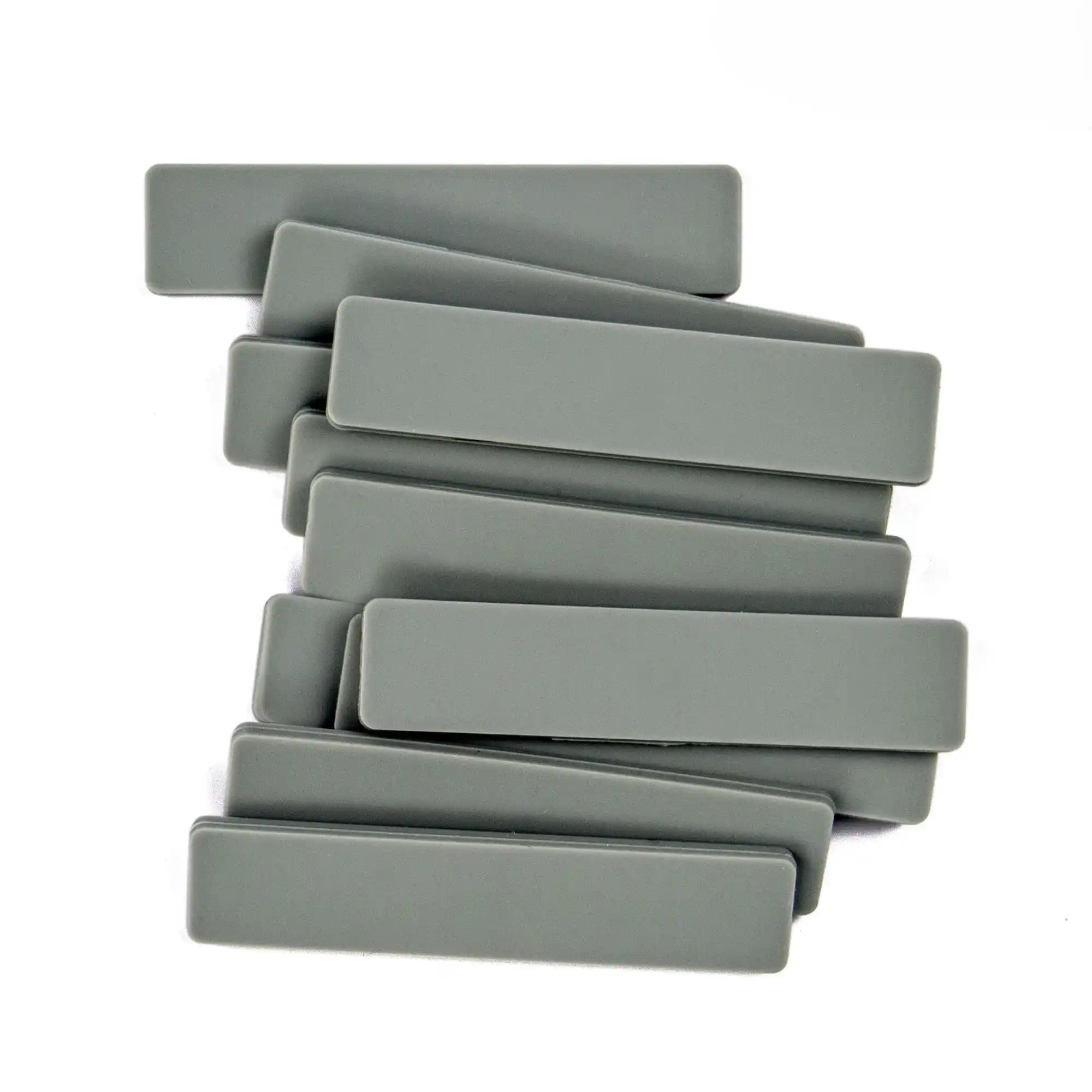
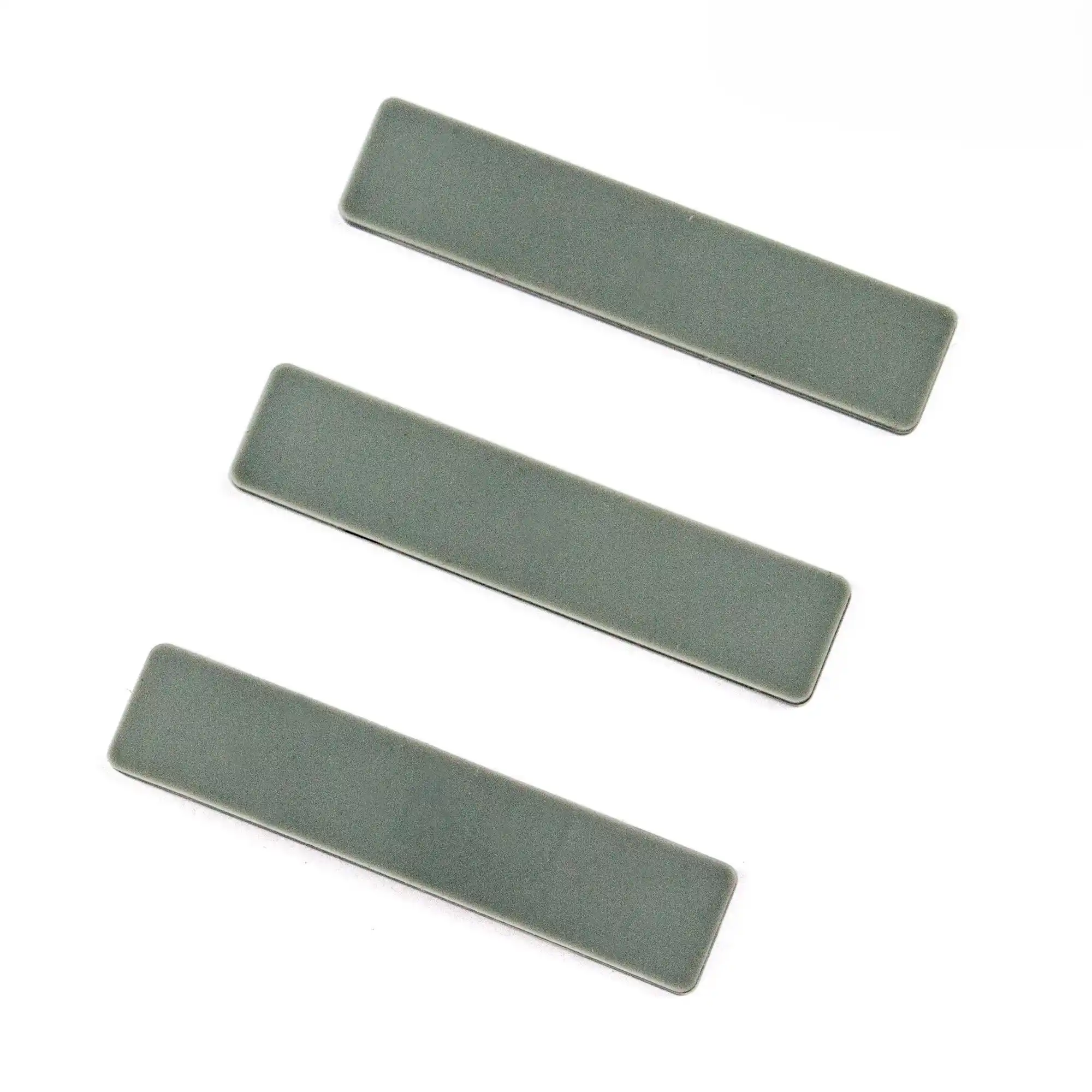
And yep—this is also where the tag choice matters. A UHF textile label behaves very different from a hard PPS button tag. Our factory (CXJ Smart Card) builds both, plus the inlays and encoding that keep your master data from turning into a mess.
RFID middleware converts raw RFID tag reads into ERP/WMS business events
Your ERP/WMS doesn’t want “EPC read 57 times in 2 seconds.” It wants “Received 120 pieces at Dock A” or “Sorted to Customer Route 12.”
That’s why middleware sits in the middle. It filters duplicates, groups reads, applies rules, and outputs clean business events your ERP/WMS can post as transactions. This pattern shows up in EPC architecture (ALE style filtering/grouping) and in modern RFID middleware writeups.
Real laundry example: A tunnel reader at “soil sort exit” sees the same tag multiple times while a bag shakes through. Middleware dedupes that and emits one event like: SORTED_OUT @ 10:23:11.
That single event is what you map to WMS: move order, inventory status change, or production step confirmation.
Unique RFID tag ID (EPC) mapping to ERP/WMS item master data
No mapping, no truth. Period.
You need a unique tag identifier (often EPC for UHF) that links to your ERP/WMS master record: item/asset ID, SKU, customer-owned goods (COG) code, or whatever your system calls it. EPC-focused UHF systems typically follow the Gen2 / ISO 18000-63 ecosystem, so you get interoperability across readers and tags.
What breaks when you skip this:
“Same EPC printed twice” → phantom inventory
“No customer ID in master data” → chargeback fights
“Wrong item type” → wash count and retirement rules don’t apply right
On our side, we usually help customers define an encoding plan (UID/EPC/NDEF/keys) and verification steps, so tags arrive ready to register in ERP.
Status, location, and timestamp fields for RFID laundry process tracking
If you only store “tag exists,” you can’t run operations. You need the where + when + what stage combo:
Location: plant zone, dock door, customer site, route truck
Timestamp: event time (and sometimes start/end time)
Standards like GS1 EPCIS model this explicitly with fields like eventTime, readPoint, and bizLocation (and CBV vocab for steps/dispositions).
Hotel linen use case: Housekeeping screams “missing towels.” Your ops team checks ERP and sees:
last event: DELIVERED
location: Hotel A receiving
timestamp: yesterday 18:04 Now it’s a real conversation, not vibes and yelling.
Also, RFID laundry solutions commonly highlight “unique tag + real-time quantity + history tracking” because it drives fewer losses and fewer manual counts.
Wash cycle count and lifecycle history fields for textile loss reduction
Laundry isn’t just “where is it.” It’s also “how cooked is it.”
Two fields matter a lot:
Wash cycle count (or process count)
Lifecycle history (events over time, repairs, retirements)
These support retirement rules (“bin it after X cycles”), quality control, and shrink control. Laundry tracking discussions often call out wash-count and loss/theft reduction as core outcomes.
Hospital scrubs example: You set a rule: after enough harsh cycles, scrubs move to “downgrade” or “retire.” If you don’t store wash counts, you end up retiring too late (risk) or too early (waste). Either way, it hurts.
And yeah, lifecycle history also helps when a customer claims “you never returned my items.” You can show the chain. Simple, clean.
Inventory, delivery log, and billing fields for ERP/WMS reconciliation
This is where the money argument lives.
RFID events should roll into ERP/WMS objects like:
If your ERP/WMS can’t reconcile deliveries and returns, RFID becomes just a dashboard. You want it to drive: chargebacks, SLA reporting, and fewer disputes.
Middleware-to-ERP guidance repeatedly warns that raw reads overwhelm enterprise apps unless you convert them into meaningful events first.
Key data fields table for RFID laundry integration with ERP/WMS
Below is a practical field list you can hand to your ERP/WMS team. I’m using “event” language because it scales better than “reader logs.”
Field group
Field name (example)
ERP/WMS mapping idea
Example value
Source key
Identity
Tag ID / EPC
Asset ID ↔ EPC map
urn:epc:id:sgtin:...
S3
Master data
Item/SKU/Asset type
Item master
“Bath towel / 400g”
S5
Ownership
Customer / Contract / COG
Customer master
“Hotel A / Contract 2026”
S5
Process
Business step / Status
WIP step / inventory status
sorting, washed, packed
S1
Location
Read point / Biz location
Warehouse location / zone
“Plant_A_Tunnel_02”
S1
Time
Event time (timestamp)
Posting time / audit time
2026-01-20T10:23:11-08:00
S1
Quantity
Count in event
Inventory delta
+120
S2
Lifecycle
Wash cycle count
Attribute / counter
37
S4
History
Movement / usage history
Traceability log
event list
S4
Maintenance
Repair flag / note
Maintenance record
“patched seam”
S5
Exceptions
Missing/overage/timeout flag
Exception queue
MISSING_AFTER_SORT
S2
Source key (for credibility):
S1 = GS1 EPCIS concepts for event time + read point + business location, plus CBV vocab for steps/dispositions.
S2 = Middleware/ALE style filtering, grouping, and turning reads into actionable outputs.
S3 = UHF RFID Gen2 / ISO 18000-63 ecosystem that supports EPC-style identifiers.
In plain words: pick the tag that survives your wash chemistry + heat + pressure + mechanical abuse, then lock down the encoding so EPC → ERP mapping stays stable. Our Shenzhen lines do one-stop build + 100% outgoing inspection, so pilots can scale without “new batch reads different” drama.