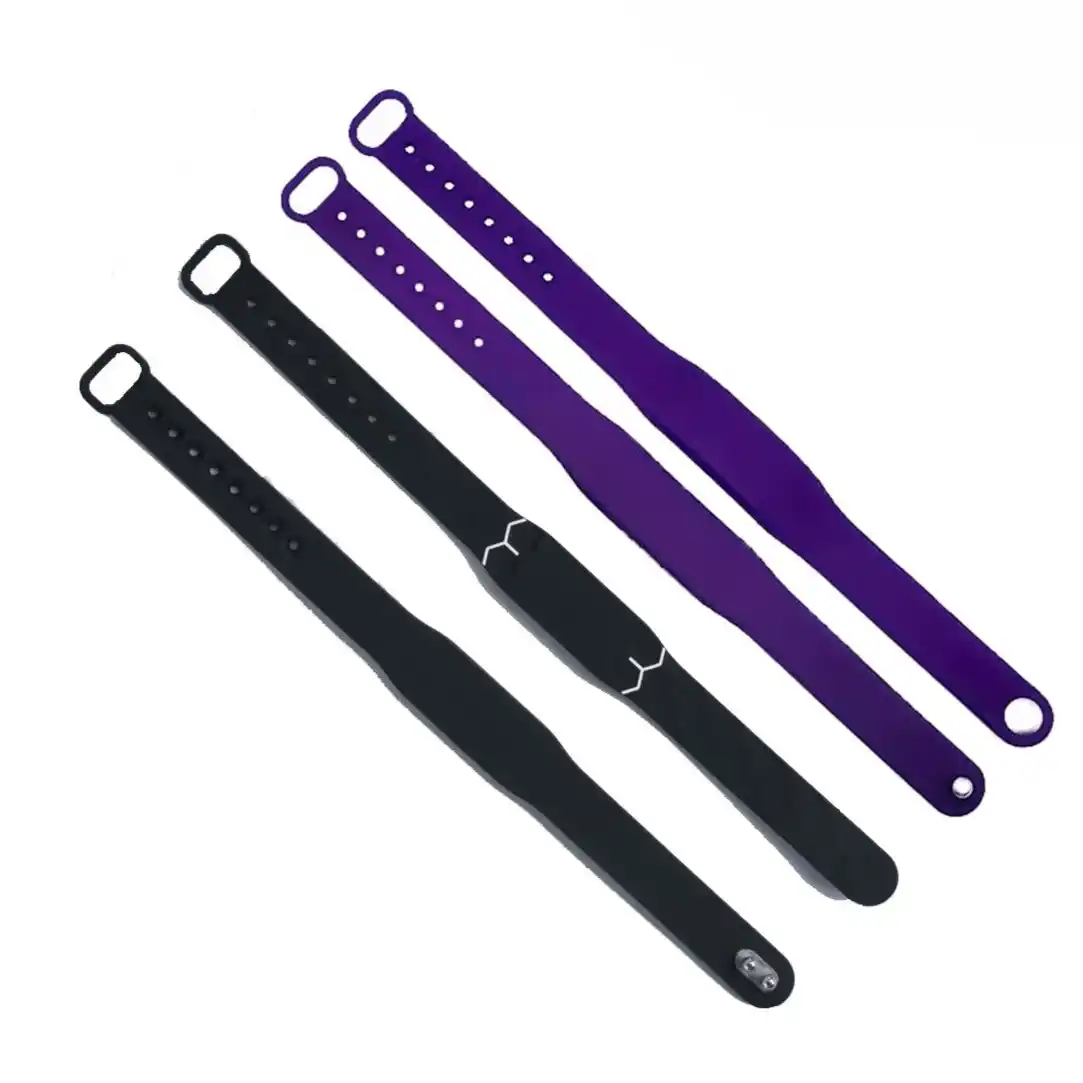
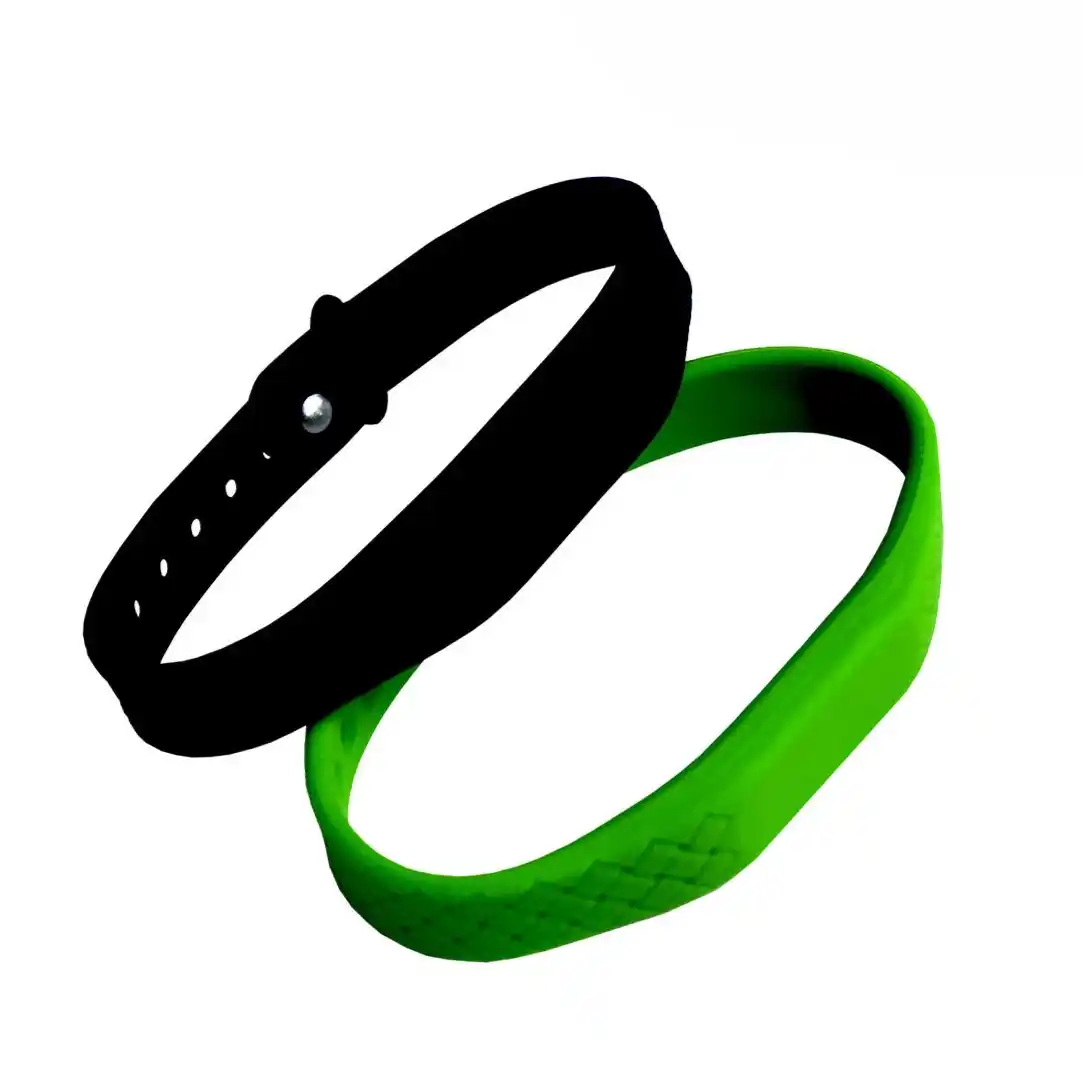
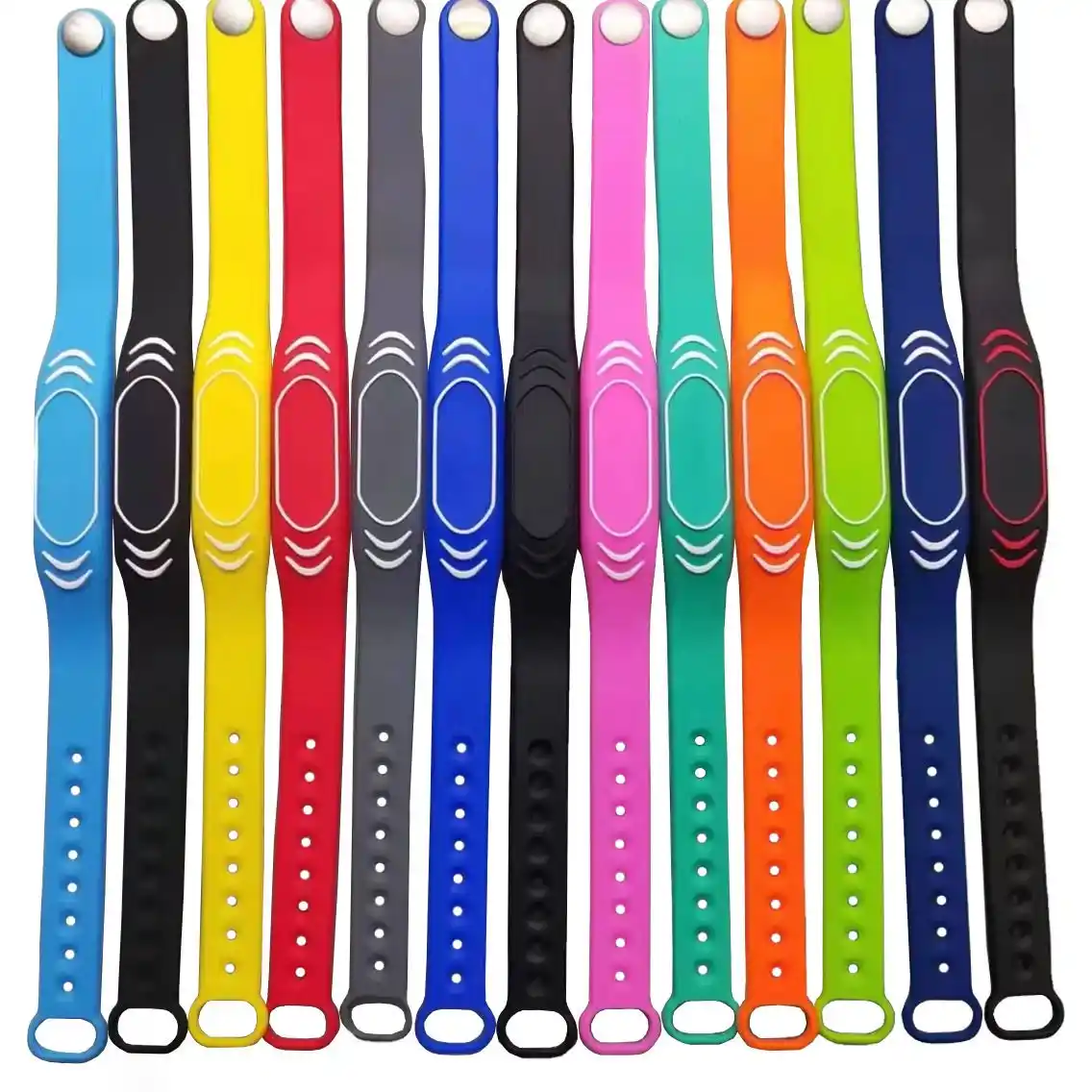
When you pick an RFID wristband for a pool or water park, you’re not shopping for a “nice accessory.” You’re buying smooth entry, fewer rescans, and less frontline chaos when the queue gets long and guests get cranky. If the band fails, your team eats the problem—manual checks, refunds, re-issues, angry parents, the whole mess.
CXJ Smart Card is a factory-direct OEM/ODM RFID manufacturer (cards, tags, wristbands, inlays, labels), so you can spec the band the way your operation actually runs: chip/frequency, antenna/inlay, material, printing, and encoding/personalization—all in one workflow. Relevant product categories on our site: RFID/NFC Bracelets, RFID Cards, NFC Tags, RFID Keyfobs, RFID Sticker Labels, and RFID/NFC Inlay.
Let’s break down the real decision points—IP rating, durability, and read stability—with practical water-park scenarios, not fluffy talk.
Ingress Protection (IP) rating for waterproof RFID wristbands (IEC 60529)
Use IP rating, not just “waterproof”
“Waterproof” can mean anything. IP rating is the cleaner language because it follows a defined test method (IEC 60529). In plain words: it tells you how well the band housing resists water getting inside.
IP67 for pools, IP68 for heavy soak programs
IP67 usually covers temporary immersion. Most buyers treat it as the baseline for pools.
IP68 is better when the band stays wet all day, every day. But you must ask one extra question: “What depth and duration did you test for IP68?” Because IP68 depends on vendor-stated conditions. If they can’t answer, that IP68 label is kinda useless.
IP rating doesn’t cover chlorine, UV, or abrasion
IP tells you whether water gets in. It does not guarantee the band won’t:
fade in sun,
get sticky from sunscreen,
crack after repeated flex,
lose print from friction against lockers and slides.
So you need IP rating and a durability plan.
Durability in chlorinated water: UV, chlorine, sunscreen, and abrasion
Here’s the dirty truth: most failures aren’t “it leaked.” Most failures are it looks trashed or it stops scanning reliably after rough treatment.
UV and chlorine do slow damage
UV + chlorine is the one-two punch. UV ages polymers and ink. Chlorine can bleach color and weaken some materials over time. Add sunscreen and body oils, and you get slippery surfaces and smudged printing.
Abrasion is your silent killer
Think about where guests rub the band:
locker keys and metal doors
handrails on stairs
tube handles
wave pool friction
concrete edges (yep, people lean on everything)
If your design depends on delicate surface print, you’ll see the wear fast. It’s not “bad batch,” it’s just real life.
Material selection for RFID/NFC wristbands: silicone vs fabric vs Tyvek
Pick the material like you’d pick shoes. Same idea: match it to the abuse.
Silicone RFID wristbands for all-day wet operations
If your guests spend hours in water, silicone is the workhorse. It handles immersion well, feels comfortable, and it’s easy to clean. Silicone also plays nice with laser marking (good for IDs that must stay readable).
Best-fit scenarios:
season pass holders
cabana access + re-entry control
cashless top-up + POS taps
kids zones where bands get pulled and twisted (a lot)
Fabric woven/elastic wristbands for mixed resort zones
Fabric bands feel light and “event-style.” They’re great when the band needs to look premium and guests move between pool, hotel, dining, and retail.
Best-fit scenarios:
resort + water park combo
VIP or premium pass lanes
multi-day programs where comfort matters
Just remember: fabric can hold moisture longer. If your park is pure water all day, fabric may feel damp and gross by afternoon. Not always, but often.
Tyvek wristbands for short-run, single-day admission
Tyvek works when you need fast issuance and low friction at check-in. It’s common for day tickets or promos.
Best-fit scenarios:
single-day admission
school trips (simple and quick)
overflow days where you need extra stock on hand
But don’t expect Tyvek to look pretty at 6pm after slides and sun. It’s a “get it done” option, not a forever band.
HF RFID (13.56 MHz) vs UHF RFID in wet environments
If you only remember one thing: water can mess with RF. Your body is basically a bag of water, so yeah, RF cares.
HF (13.56 MHz) for tap-style access and cashless flow
HF is the usual choice for:
entry turnstiles with close-range taps
locker kiosks
cashless payment at F&B
membership validation
HF reads are short-range, stable, and easier to control. That control matters because you don’t want “ghost reads” from the next lane.
UHF for longer range tracking (but test it hard)
UHF can make sense for:
asset tracking (tubes, life vests, rental gear)
inventory counts
back-of-house workflows
But in wet, crowded areas, UHF performance can dip if your setup isn’t tuned. You gotta test it in your actual environment, not in a quiet office.
If you want the best of both worlds, many operators run HF wristbands for guests and use UHF labels/tags for equipment tracking. For that, see: RFID Sticker Labels and RFID/NFC Inlay.
Printing, engraving, and encoding for RFID wristbands
Marking method decides whether your brand stays visible
A band can still scan even when the logo fades. But branding matters, and staff needs readable IDs.
Good options:
laser marking for IDs that must not disappear
durable printing + protective coating (depends on material)
deboss/emboss style details for tactile durability
Encoding and personalization reduce “my band doesn’t work” tickets
The fastest way to ruin guest flow is inconsistent data:
UID mapping not aligned with your software
duplicate IDs in a batch
wrong chip type for your readers
no verification report
In bulk programs, encoding is not “nice to have.” It’s the difference between smooth ops and line-busting panic. With CXJ Smart Card, you can order encoded + printed + serialized wristbands (plus matching cards or keyfobs) so the data model stays consistent across your park.
OEM/ODM RFID manufacturer: ISO quality, compliance, and scaling
When you scale from pilot to peak season, the biggest risk is drift: different lots, different materials, different performance. That’s why you want a supplier who can control the whole stack.
ISO-led quality systems (and full outgoing inspection)
flexible MOQ and fast samples (so you can pilot quick, then scale without drama)
This matters because water parks don’t get “nice conditions.” You get chaos. You need process, not hope.
Spec table: what to ask for before you place a bulk order
Spec item (keyword)
What it prevents
What you should request from supplier
“Source” you can cite in your internal doc
IP67 / IP68 (IEC 60529)
water ingress failures
IP rating + test condition summary (especially for IP68)
IEC 60529 (IP Code)
Chlorine resistance
fading, cracking
material recommendation + sample soak test
pool chemistry best practice
UV resistance
brittleness, color fade
UV-stable material + marking method
outdoor polymer aging basics
Marking method
unreadable IDs
laser/engrave or durable print option
field wear & abrasion reality
Chip & frequency (HF/UHF)
low scan rate
confirm reader compatibility + frequency choice
RF behavior in wet environments
Encoding & verification
duplicate IDs, bad mapping
encoding report, serialization rules, lot traceability
access control data hygiene
QC plan
surprise drift at scale
outgoing inspection + sample retention
ISO-style QC approach
No fancy numbers here. Just the questions that save your ops team from pain.
Real-world water park scenarios (the stuff that actually breaks bands)
Scenario: wave pool re-entry + anti-passback
Guests come and go. If the band misreads, staff start overriding anti-passback rules and your controls get messy. Use HF tap zones and a durable, consistent encoded wristband.
Scenario: lockers + wet fingers
Wet fingers + rushed taps = sloppy reads. You want predictable read behavior and a band that stays on the wrist. Silicone usually wins here, honestly.
Scenario: cashless F&B during peak heat
Sunscreen + sweat + constant rubbing on counters. Printing wears fast. Use marking that survives abrasion, or at least place the key ID where friction is lower.
Scenario: “lost kid” help desk
Staff need to scan fast, confirm identity fast, and not fight a dying wristband. This is where strong data consistency and durable marking is super important.
Bottom line
Choose an RFID wristband the way you run the park: fast, repeatable, low-drama. Start with IP67/IP68, then go deeper into chlorine + UV + abrasion, then lock down HF/UHF choices and encoding rules. Do a real pilot (wet, sunny, messy). If the band survives a Saturday, it’ll survive your season.