If you’ve ever run an RFID prototype, you know the feeling: the first batch “works” in the lab, then the real floor shows up and slaps you. Reads get flaky. Metal detunes your tag. Water turns into a signal sponge. Someone says, “Let’s just change the label,” and suddenly you’re in Week 6 with nothing stable.
Here’s my take: you don’t reduce total cost by squeezing tag unit price. You cut total cost by killing rework loops—fewer prototype rounds, fewer site surprises, faster ramp to mass production. And that only happens when you treat your RFID factory like a design partner, not a shop that “just prints stuff.”
CXJ Smart Card runs factory-direct OEM/ODM from antenna/inlay to finished cards, tags, labels, wristbands—plus encoding and verification—so the prototype plan can match how production really works.
Products
Below is a quick “what to prototype with” map based on the product categories on cxjsmartcard.com. I’m using links as keywords, so you can jump around while you plan.
CXJ supports LF (125 kHz), HF/NFC (13.56 MHz), and UHF (860–960 MHz), plus common standards (ISO/IEC 14443/15693, EPC Gen2 / ISO 18000-6C).
1) Simulate First, Then Prototype, Don’t Stack Costs With Guesswork
RFID prototypes get expensive when you do “make one more version” over and over. Instead, shrink the option space first. Do quick RF checks on placement, material, and antenna size, then cut real samples only for the short list.
Think of it like fitting shoes. You don’t buy ten pairs and hope. You measure your foot, then you try two.
RFID NFC Inlay
If you’re building labels, start at the inlay layer. Inlay choices (dry/wet/white-wet, antenna geometry, substrate) decide most of your read behavior. Lock the RF core first, then worry about face stock and printing. CXJ’s one-stop process (antenna + inlay + converting + encoding) makes this workflow cleaner.
2) Run a Pilot/PoC to Break Things in a Safe Corner
Don’t roll out across the whole warehouse or plant first. Pick a small “choke point” that reflects real abuse: one dock door, one conveyor, one store backroom, one laundry intake station.
In the pilot, you’re not chasing perfection. You’re hunting unknowns:
Where do missed reads happen?
What surfaces kill performance?
What data fields do you actually need?
If the pilot feels a bit messy, good. That’s the point.
3) Start With Handheld/Mobile Testing Before You Lock Hardware
Fixed readers feel “official,” but they also lock you in. In early stages, walk the floor with mobile reads and map dead zones. Check angles. Check distance. Check what happens when the tag rotates 90 degrees.
Also, test like real operators behave. Fast. One hand. Distracted. That’s the truth.
A small tip: take photos of tag placement and log the reader setup each time. Otherwise you’ll “retest” the same thing by accident. Yep, it happens.
4) Build Prototypes That the Factory Can Repeat at Scale
A prototype that can’t be produced the same way later is basically a demo toy. You want your sample to look like production: same layers, same lamination, same die cutting, same attachment method.
CXJ lays out a full tag process—antenna design, flip-chip encapsulation, lamination, die-cutting, testing, and encoding—so you can prototype in a way that matches manufacturing reality.
5) Treat Testing and QC as Part of the Design, Not a Final Gate
Here’s a hard truth: if you only test at the end, you’ll pay for it in scrap and delays.
Instead, bake QC into the prototype plan:
incoming material check (face stock, adhesive, substrate)
final checks (read/write, encoding verification, print quality)
CXJ calls out ISO-based processes and 100% outgoing inspection as part of delivery, which is exactly what you want when you’re trying to keep prototypes from drifting.
6) Price the System, Not the Tag: Model Total Cost (TCO) Early
Total cost hides in places your spreadsheet won’t warn you about:
line stops from bad reads
extra labor because operators don’t trust the system
relabeling because data mapping changed late
“surprise” re-tests after packaging changes
So when you prototype, test the whole workflow: tag + reader + software + data rules. CXJ supports UID/EPC mapping, NDEF (for NFC), keys, and verification reports, which helps you validate the data side early.
RFID Cards
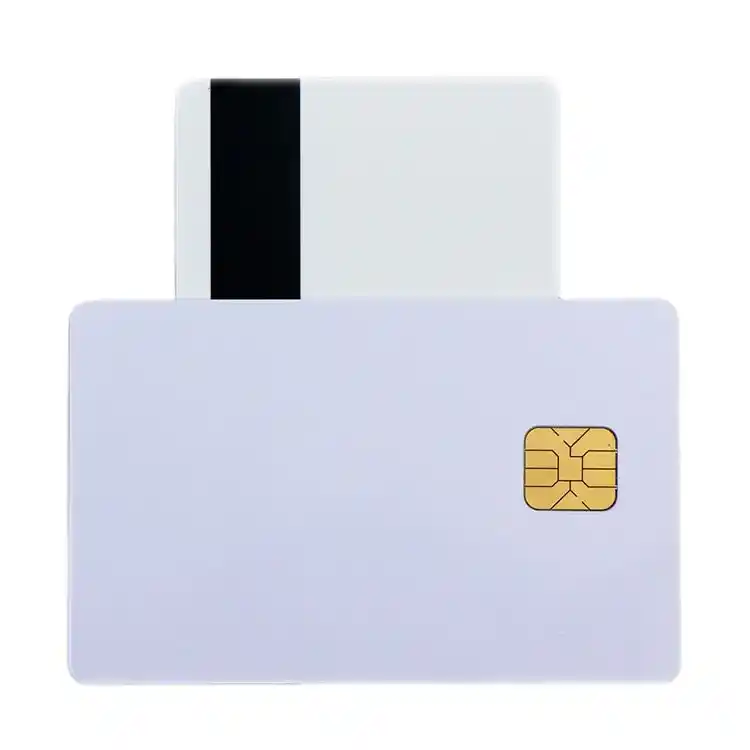
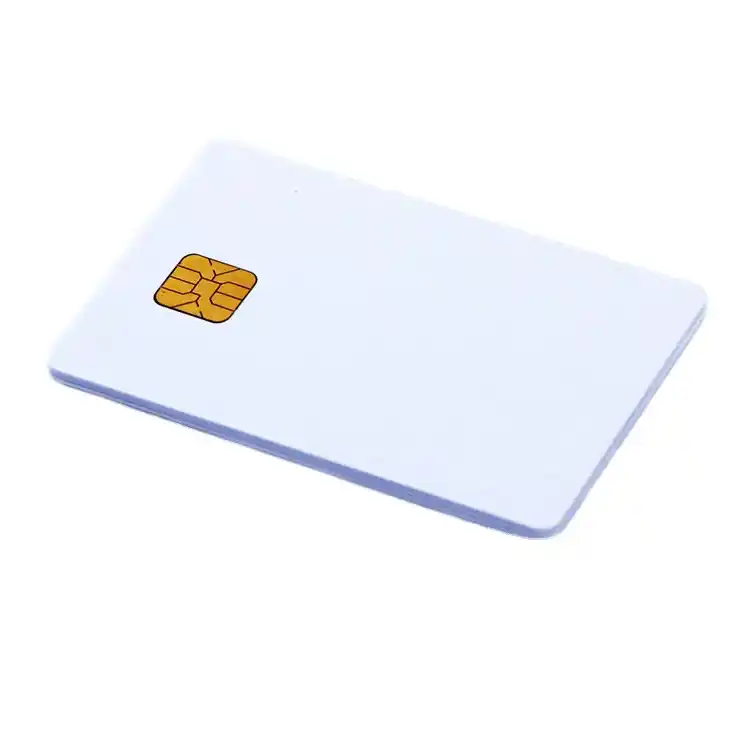
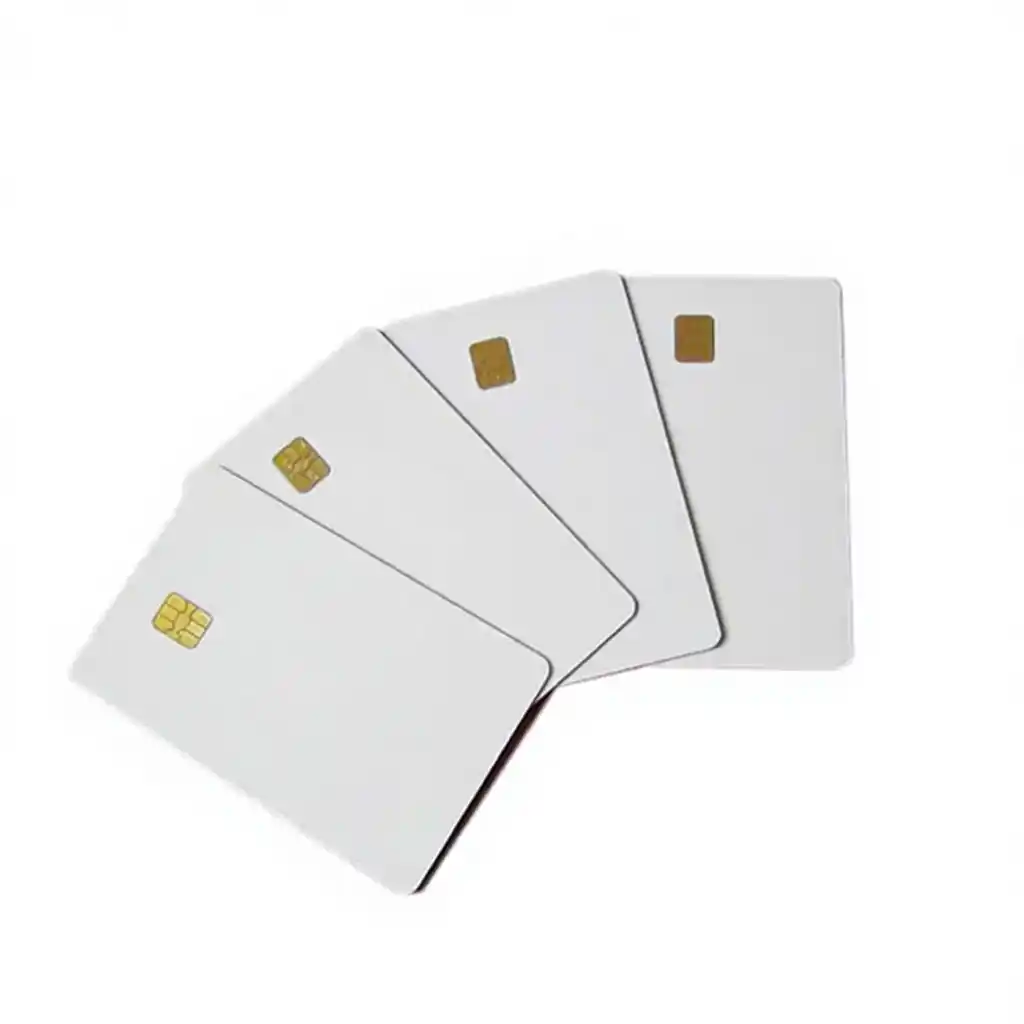
Cards feel simple, but printing stacks and materials matter. CXJ lists multiple materials and personalization options (printing, encoding, variable data), so you can prototype the exact card build your system will read every day.
7) Pull an Experienced Factory/Integrator In Early for Selection and Tuning
You can’t “fix” a wrong frequency band with better printing. You can’t “wish” an on-metal use case into a normal label. Get the factory engineering team involved early so you pick:
band (LF vs HF/NFC vs UHF)
chip family and memory behavior
antenna tuning and form factor
material stack (PET, PVC, ABS, textiles)
encoding + security (keys, access control, data format)
CXJ positions this as engineer support from concept to prototype and scale, plus encoding services and clear timelines.
8) Use RFID to Track Prototype Assets and Movement
This one’s meta, but it works: tag your prototypes and track them like real assets. When samples move between lab, line, vendor, and QA, you want a clean audit trail.
It stops the classic drama:
“Who changed the label?”
“Which batch is this?”
“Why does this one read different?”
If you can’t trace samples, you can’t debug them. Simple.
9) Control Data Scope: Start With the Few Events That Matter
Early RFID programs drown in data. You don’t need every read. You need the reads that drive decisions:
received
issued
returned
passed a station
failed a gate
Start with those. Then add detail once the basics are stable.
CXJ’s data services (UID/EPC mapping, CSV/ERP mapping, verification reports) fit this staged approach well.
10) Place Readers Where Work Happens: Avoid Blanket Coverage
Over-deploying readers feels safe, but it’s not smart. You want clean read zones at business choke points: doors, tunnels, conveyor transitions, packing lanes, laundry intake tables.
And yes—materials matter. If you’re reading on metal, don’t fight physics. Use the right on-metal style tag class (like anti-metal hard tags) and validate placement early.
Prototype Evidence Pack (the “proof” that makes decisions easier)
What you collect
Why it builds confidence
Who supplies it
“Source” you can cite internally
Read-rate logs by location/orientation
Shows where the dead zones are
Your site team + factory engineer
Pilot test log + site photos
Encoding verification results (UID/EPC/NDEF)
Prevents “data looks right but reads wrong”
Factory encoding line
Encoding/verification report
Material stack spec (face stock, adhesive, overlay)
Avoids hidden detune shifts
Factory + your packaging team
BOM + artwork + DFM notes
Process snapshot (lamination/die-cut/attach method)