If you’ve ever managed a guard tour or inspection route, you know the pain: one missed scan turns into a messy audit trail. And outdoors is where tags get bullied—rain, grit, sun, freezing nights, and that one guy who “tests” everything with a screwdriver.
My take is simple: a “5+ years outdoors” RFID patrol tag isn’t one feature. It’s a stack of small design choices that protect read performance over time. Below I’ll break down the key points (with real product specs from CXJ Smart Card pages as proof), plus a few field scenarios you’ll recognize.
RFID Patrol Tags for Guard Tours and Inspection Checkpoints
Outdoor patrol tags live in places that don’t care about your uptime: steel gates, fences, stairwells, pumps, rooftops, loading bays. A guard taps, the system logs time + checkpoint, and you get clean reports. No batteries, no charging, no excuses.
If you’re sourcing patrol tags in bulk, start here: RFID Patrol Tags.
Real outdoor usage scenarios you’ll see
Security rounds: perimeter gates, fire exits, warehouse corners
Maintenance routes: HVAC, water pumps, electrical cabinets
Asset checkpoints: machines that move around (and “disappear”)
Site compliance: construction, utilities, telecom towers
When tags fail, they don’t fail politely. They fail at 2:10 AM in the rain. So let’s design for that.
Ingress Protection (IP67/IP68) for Outdoor RFID Patrol Tags
For outdoor tags, IP rating is not decoration. Dust gets in and holds moisture. Water gets in and you’re done. That’s why you’ll see serious outdoor patrol tags call out IP68 (dust-tight + waterproof).
UV Resistance and Housing Materials (ABS, PPS, PVC)
Sunlight is the slow killer. UV makes plastics fade, crack, and get brittle. Once the housing cracks, water wins.
What I like here is that CXJ patrol tags clearly call out housing choices like ABS + PPS (impact, weather, chemicals), and coin tags made from PVC/ABS/PPS depending on the build.
Ntag213 RFID Patrol Tag — waterproof, shock-resistant coin tag; material options include PVC/ABS/PPS; 144 Byte memory.
Material choice cheat sheet
Material
Why buyers pick it
Outdoor risk it helps
Where it shows up
ABS
Tough, stable, good for hard tags
Impacts + weather exposure
Outdoor anti-metal hard tags
PPS
Better heat/chemical resistance
Harsh sites, cleaners, temp swings
ABS+PPS patrol checkpoint tags
PVC
Cost-friendly, common coin tags
Light duty outdoor, protected mounting
Coin patrol tags
If you want “5+ years”, don’t hide the material choice. Put it in the spec. It saves you later.
Fully Encapsulated Inlay and Overmolded Construction
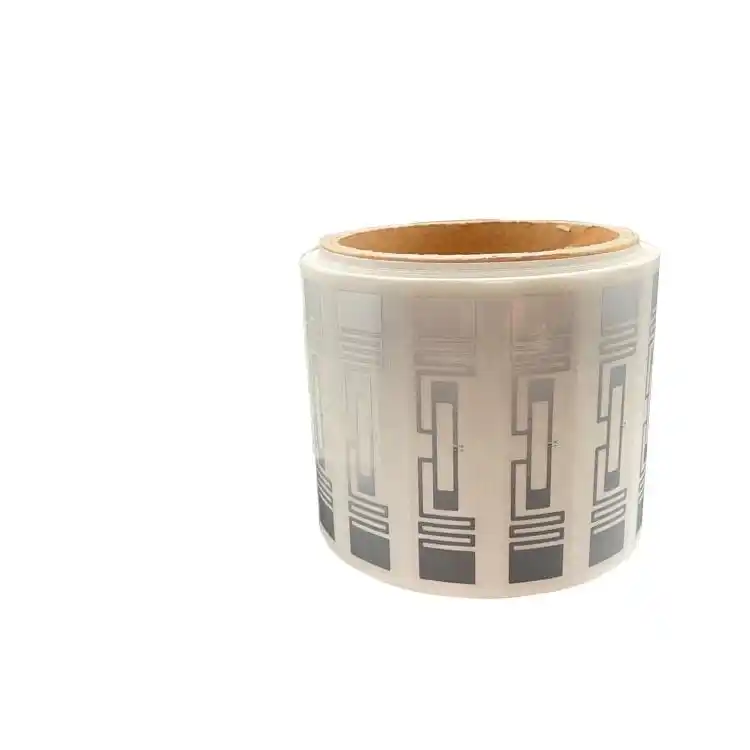
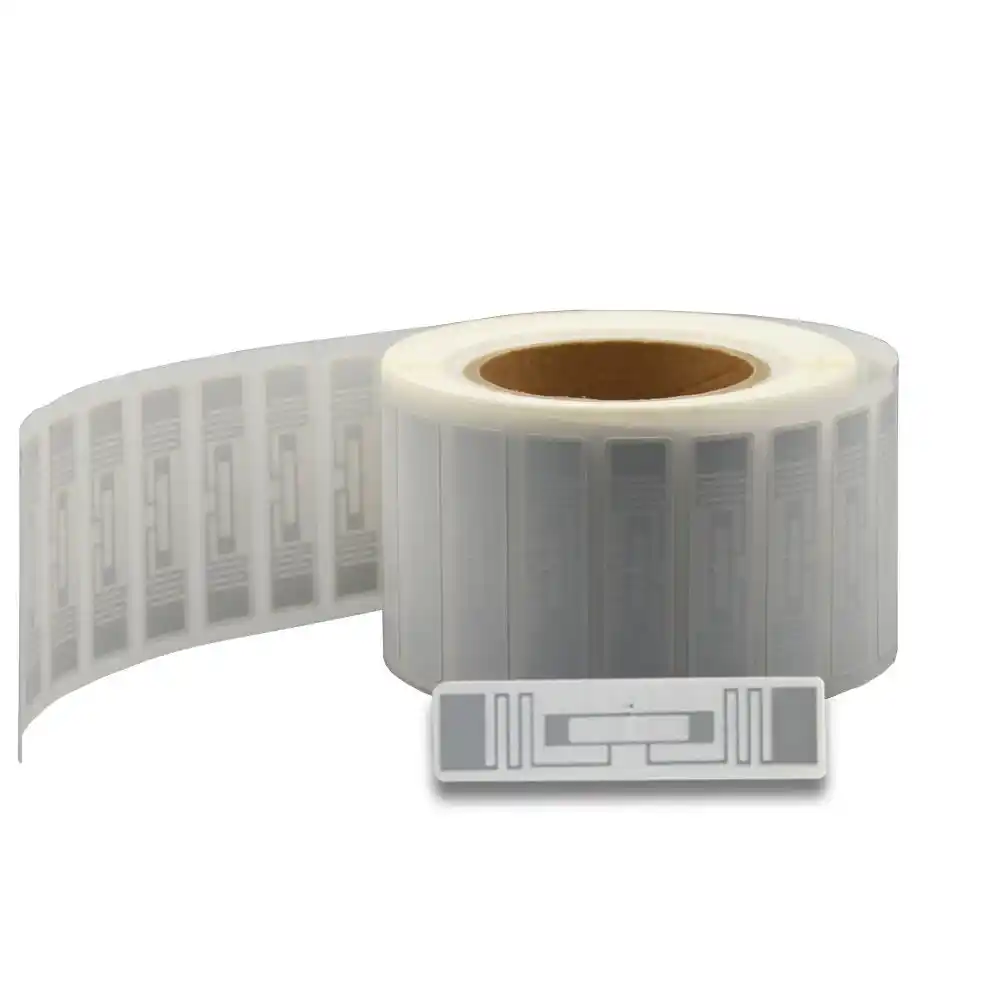
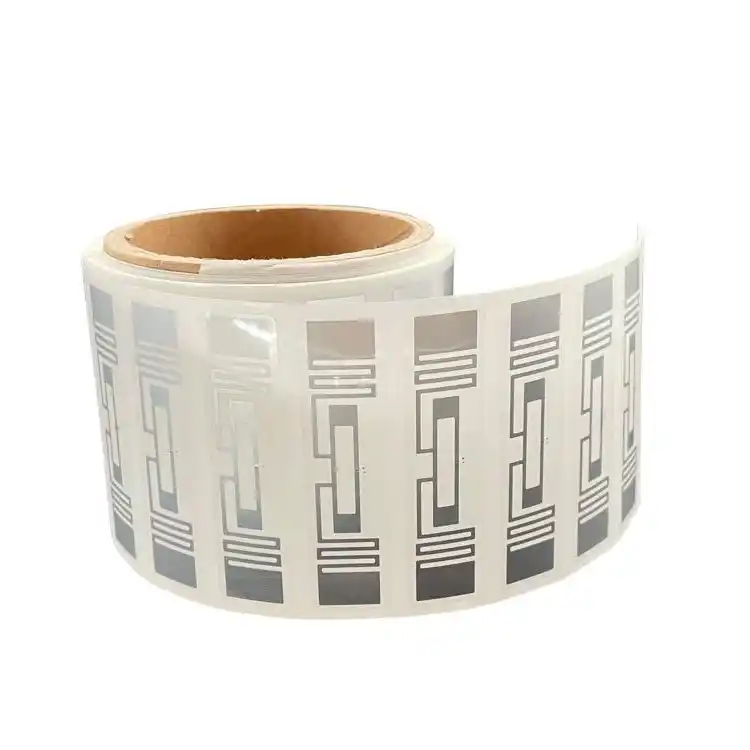
Inside every tag is the inlay: chip + antenna. Outdoors, the inlay needs protection from moisture creep, micro-cracks, and abrasion. That’s why full sealing and good lamination matter more than people think.
If you build custom patrol tags, you also want control of the inlay, not just the plastic shell. CXJ’s inlay category supports custom formats, roll/sheet supply, and consistent RF performance, which matters when you scale.
Small but important point: printing + encoding + verification in one flow reduces the “it scans weird” drama during rollout. (That drama is realy common.)
IK Impact Resistance and Anti-Tamper Mounting
Patrol tags get hit. They get scraped. Some get “removed” by people who don’t love compliance.
So you need two things:
A housing that survives knocks
A mount that doesn’t peel off in six months
CXJ’s patrol checkpoint tag explicitly supports 3M adhesive or screws, which is exactly what you want for different surfaces: ABS/PPS RFID NFC Patrol Tag.
Mounting methods that reduce truck-rolls
Mounting option
Best for
Common failure mode
Field tip
3M adhesive
Smooth indoor walls, clean metal panels
Dirt + moisture kills adhesion
Clean surface, press hard, let it cure
Screws
Outdoor gates, rough concrete, high-traffic
Rust, bad drilling, tag cracking
Use washers, don’t over-torque
Adhesive + screw
“Never fall off” installs
More labor
Use on critical checkpoints
If a checkpoint is mission-critical, don’t rely on adhesive only. That’s how routes go dark.
On-Metal NFC and Anti-Metal ABS UHF RFID Tags
Metal is where many tags get humbled. Normal stickers detune near steel, then your read zone becomes tiny and flaky.
That’s why on-metal design matters. CXJ’s outdoor patrol hard tag says it keeps reads reliable on steel gates, doors, and machines and stays IP68: Guard Outdoor Anti-Metal RFID Patrol Tags.
And if your patrol/checkpoint system needs longer range or portal reads, you’ll start looking at UHF anti-metal hard tags too: Anti Metal ABS UHF RFID Tags.
HF/NFC vs UHF for patrol and inspection routes
Band
Typical read style
Where it fits
CXJ product proof
HF/NFC (13.56 MHz)
Tap with phone/reader
Guard tours, checkpoints, app logging
Outdoor patrol hard tag + ABS/PPS tag
UHF (860–960 MHz)
Longer range, batch reads
Asset rounds, yard equipment tracking
Anti-metal ABS UHF tags category
Don’t force UHF when your guards want phone-tap. And don’t force NFC when you need long-range reads across a yard. Mix them if the project needs it.
Validation Plan for 5+ Years Outdoors (ASTM G154, Thermal Cycling, Read-Zone Baselines)
Here’s the part teams skip, then regret: a test plan. You don’t need a lab empire. You need a repeatable checklist that catches weak installs early.
Baseline read-zone logging at install time (so you can spot drift later)
And yes, ask your supplier for test reports and verification docs. CXJ repeatedly highlights ISO-led QC, RoHS/REACH options, and 100% outgoing inspection, plus encoding/verification support on their main site: Custom RFID Manufacturer | OEM/ODM Cards, Tags & Wristbands.
Simple risk-to-test matrix (use this in your SOP)
Risk
What to test
What you log
Pass looks like
UV aging
UV cycle exposure
Housing cracks / fade
No cracking, scan stays stable
Water/dust
Spray + soak
Tag ID + read success rate
Reads same as day-one
Impact
Drop / knock test
Housing damage + scan
No split housing, no dead tag
On-metal detune
Steel mounting test
Read zone in cm
Read zone stays consistent
This ain’t fancy. It’s just how you avoid rework.
CXJ Smart Card Product Categories and OEM/ODM Workflow
A patrol tag project rarely stands alone. Buyers often bundle credentials and labels across one system, so data formats match and QA stays sane.
CXJ Smart Card sells a full line that fits this “one vendor, one spec” approach:
Their positioning is factory-direct OEM/ODM: antenna + chip selection, form factor, printing, encoding, and bulk production under ISO processes. That matters when you pilot fast, then scale without the “sample good, mass bad” problem.