If you run a parking site (residential, office, campus, or a logistics yard), you’ve probably seen the same mess on repeat: someone “borrows” a badge, a car sneaks in on a shared credential, and your audit trail turns into a guessing game. The fix isn’t more signs. It’s binding—link the driver credential to the vehicle credential, so the gate only trusts the right pair.
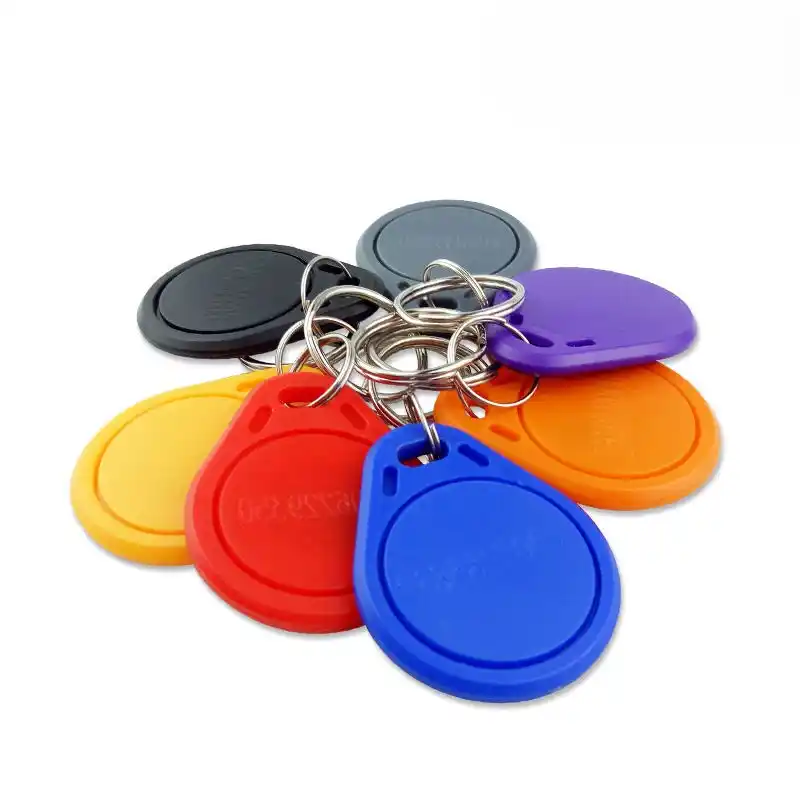
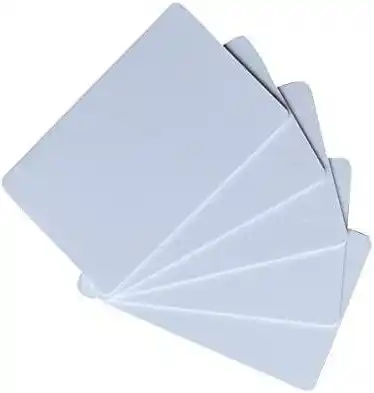
I’ll keep this practical and a bit street-level. I’ll also use real hardware building blocks from CXJ Smart Card (factory-direct OEM/ODM) so you can picture what ships, what installs, and what breaks in real life. Here are the core product categories on our site that matter for smart parking rollouts: RFID Cards, RFID Keyfobs, RFID Sticker Labels, RFID/NFC Inlay, and NFC Tags. (Full catalog lives here: Products and customization flow here: Services.)
RFID fits because it’s fast and boring (boring is good). You read an ID, you trigger a rule, you store a record. That record becomes your ops “black box” for disputes, enforcement, and revenue reconciliation.
Why you care: a smart parking system isn’t just opening a gate. It’s building a clean audit trail and keeping the “exception handling” queue small.
RFID cards and RFID keyfobs are easy to share
Let’s be honest. If you issue one thing—one card, one keyfob—people will share it. They share with family, coworkers, the contractor, the “friend who’s just here for 20 minutes.” Then you lose control.
In access-control slang, that’s credential leakage. In property-management slang, that’s “why is lot full again.”
RFID cards are still a solid option for admins, security, and tenants. Same for keyfobs, especially when people hate pulling out wallets in a car. But single-factor RFID always risks being passed around. You can’t “train” that away.
driver vehicle binding in access control database
This is the heart of it: bind DriverID to VehicleID.
Instead of trusting one token, you trust a pair.
DriverID + VehicleID matching rules
Typical binding rules you can enforce:
1 driver → 1 vehicle (tight control, great for paid reserved spots)
1 driver → N vehicles (family household, fleet supervisors)
N drivers → 1 vehicle (shared car, pool vehicle)
2-of-2 required at entry (DriverID AND VehicleID must match)
And yeah, you can make it flexible. You can run “2-of-2” only at peak hours, and allow “1-of-2” when the site is empty. Ops teams love that kind of knob.
What “binding” looks like in practice
You store something like:
Driver credential: card UID / keyfob UID
Vehicle credential: windshield sticker UID (or tag ID)
Policy: allowed time windows, zones, occupancy limits
Status: active / lost / suspended
When a car approaches, the system checks, “Do these two IDs belong together?” If not, you don’t just deny. You can route to an exception lane or intercom. That’s the difference between security and chaos.
windshield RFID sticker labels for hands-free entry
If drivers have to lean out the window and tap a reader, they’ll complain. They’ll also damage readers. Some will just tailgate the car ahead.
That’s why windshield RFID sticker labels are the workhorse for parking. You install once, and the vehicle becomes the credential. It’s clean.
From a hardware view, sticker labels give you:
stable placement (same read geometry every time)
fast lane throughput (less hesitation at the boom gate)
less “I forgot my card” drama
If you’re building a system that’s supposed to feel premium, windshield labels are how you get there without fancy gimmicks.
RFID plus license plate recognition fallback
I’m not here to say RFID is the only tool. In real deployments, you often blend:
RFID for residents, employees, contracts (fast + predictable)
plate recognition for visitors, delivery, temporary whitelists (easy onboarding)
RFID does the heavy lifting. Plate recognition becomes your fallback and your visitor workflow. This combo reduces manual work at the guardhouse, and it kills the “visitor line” during rush hour.
secure RFID smart cards and encryption keys
Not all RFID credentials behave the same.
If you use basic low-security formats, copying becomes easier, and then binding can still get bypassed. So you upgrade the credential strength:
use secure smart cards for the driver credential when risk is higher
manage keys, not just IDs (proper key management is where projects win or die)
add printed serial + laser marking so support teams can handle “lost credential” calls fast
This is where we see integrators stumble: they treat credential issuance like printing a badge. It’s not. It’s identity lifecycle.
At CXJ Smart Card, we do UID/EPC/NDEF + key loading + verification as part of OEM/ODM delivery, so credentials arrive ready for provisioning instead of “blank plastic that ops must fix later.” It save a lot of pain, trust me.
key fob relay attack risk
Keyfobs are convenient, but wireless convenience brings wireless risk.
In car security research, “relay attack” is a known trick: attackers extend the signal range and fool the system into thinking the key is nearby. Parking systems can face similar “signal abuse” patterns if you go long-range and don’t design carefully.
Practical mitigation ideas (no magic, just layers):
tighten read zones (antenna placement matters more than people think)
require DriverID + VehicleID for high-value zones
use time-based checks or “must-be-present” logic in your controller
flag weird behavior (same DriverID jumping between zones too fast)
You don’t need paranoia. You need decent threat modeling, even if it’s a small site.
fleet driver ID and audit trail reports
Binding shines in fleets and shared parking.
Example: a warehouse has 60 drivers and 25 vehicles. Without binding, any fob opens any gate, and nobody knows who parked what where. With binding, you can pull simple reports:
who entered
with which vehicle
at what time
into which zone
That’s operational gold. It reduces disputes, simplifies billing, and helps security investigations. It also makes it easier to enforce “reserved bay” logic without pissing people off.
CXJ Smart Card product categories for smart parking
Here’s a quick map from parking pain → credential type → what you ship.
If you’re not sure which frequency band to choose (LF/HF/UHF), don’t guess. The read zone, lane width, windshield angle, and metal around the gate all mess with RF. This is why we push pilot first, then scale. It’s boring advice, but it works.
argument table with sources
You asked for “argument sources” to make the piece feel grounded. No outside links here, just what the claims generally come from.
Argument (what you can defend)
What you’re really saying
Source type
RFID enables audit trails in parking
logs + rules + enforcement become doable
academic smart-parking research + integrator practice
Cards/keyfobs get shared
single-factor credentials leak
access control operations experience
Binding driver and vehicle reduces abuse
dual-credential matching blocks pass-around
identity/access-control design pattern
Windshield labels speed throughput
fewer taps, fewer lane stalls
field deployments + RF installation practice
RFID + plate recognition works better
RFID for known users, plate for visitors
common parking system architecture
Stronger smart cards reduce cloning risk
keys and secure auth matter
smart card security guidance + vendor specs
Relay attacks exist in keyless systems
wireless can be extended or replayed
automotive security research
Fleet reports improve control
“who + which vehicle” makes ops clean
fleet management practice
OEM/ODM RFID manufacturing for parking deployments
A parking project usually fails in boring places: inconsistent encoding, bad adhesive, weak QC, and “we’ll fix it in software” thinking. Hardware quality and data consistency are what keep gate lanes flowing.
CXJ Smart Card is a factory-direct OEM/ODM supplier (cards, tags, wristbands, labels, inlays). We support the full chain: antenna → chip selection → printing → encoding → inspection. If you’re rolling out smart parking, that means:
consistent UID/EPC mapping for binding
stable materials for windshield use
batch traceability so you don’t chase ghosts later
fast samples, flexible MOQ, global shipping (so pilots don’t drag forever)