If you’ve ever done a cycle count in a busy stockroom, you know the pain. Same color, same style, mixed sizes. Hangtags missing. Barcodes creased. Someone swears the cartons were “right here yesterday.” And now your WMS shows 48 units, the shelf has 31, and the store team is already blaming “shrink.”
That’s why garment digitization usually starts with a boring object: the wash care label.
Traditional labels are made for people. RFID wash care labels are made for systems—ERP, WMS, POS, sortation, and all the little “handoff points” where items get lost in real life.
RFID Wash Care Labels
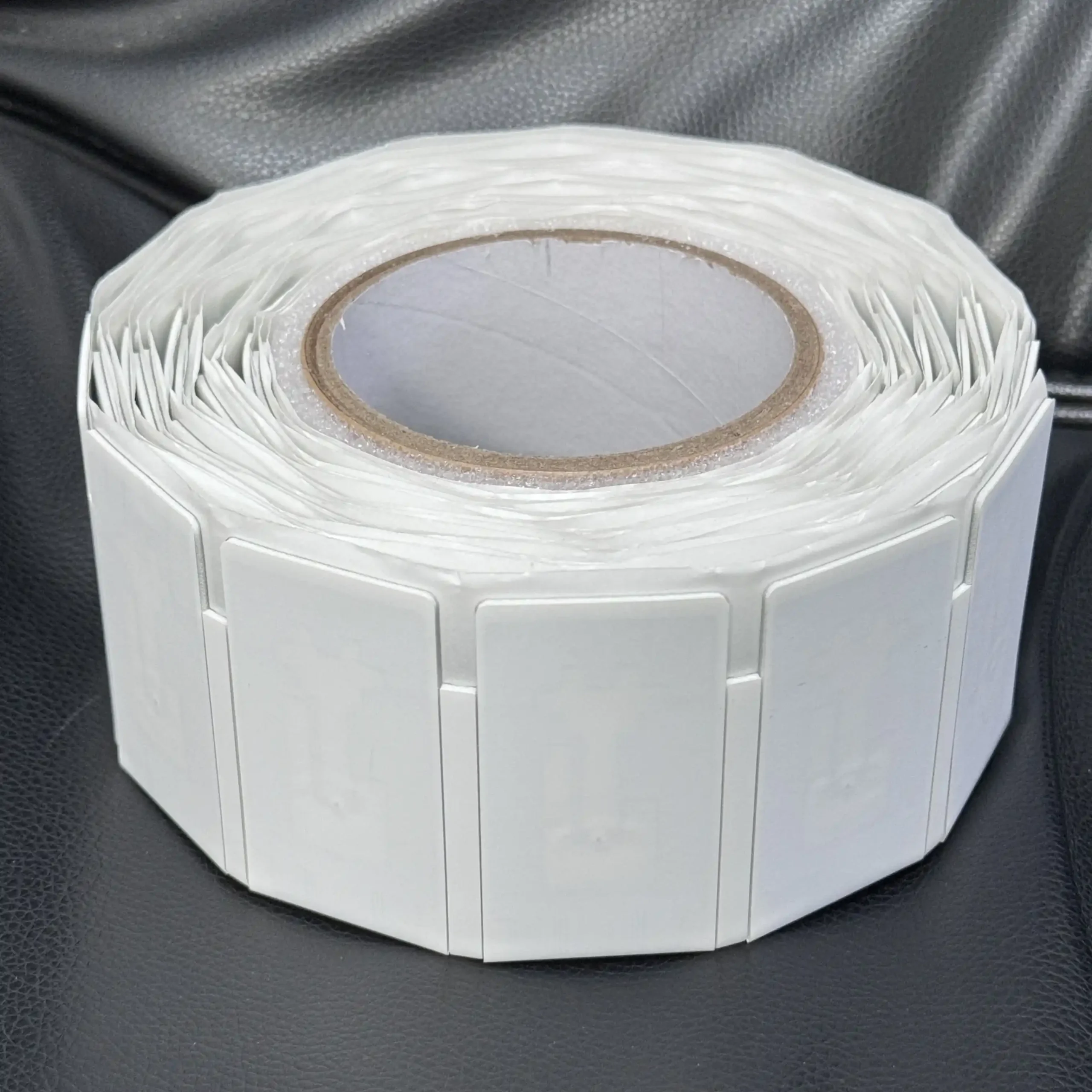
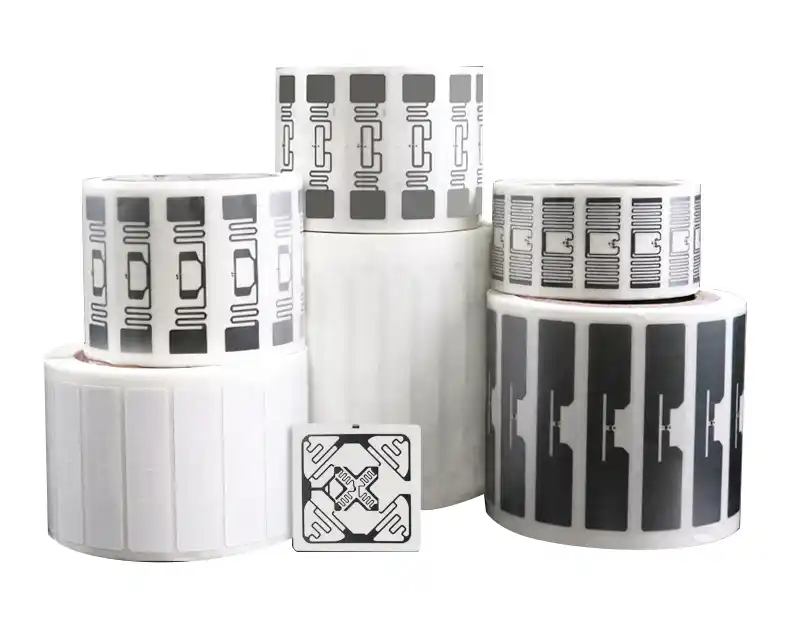
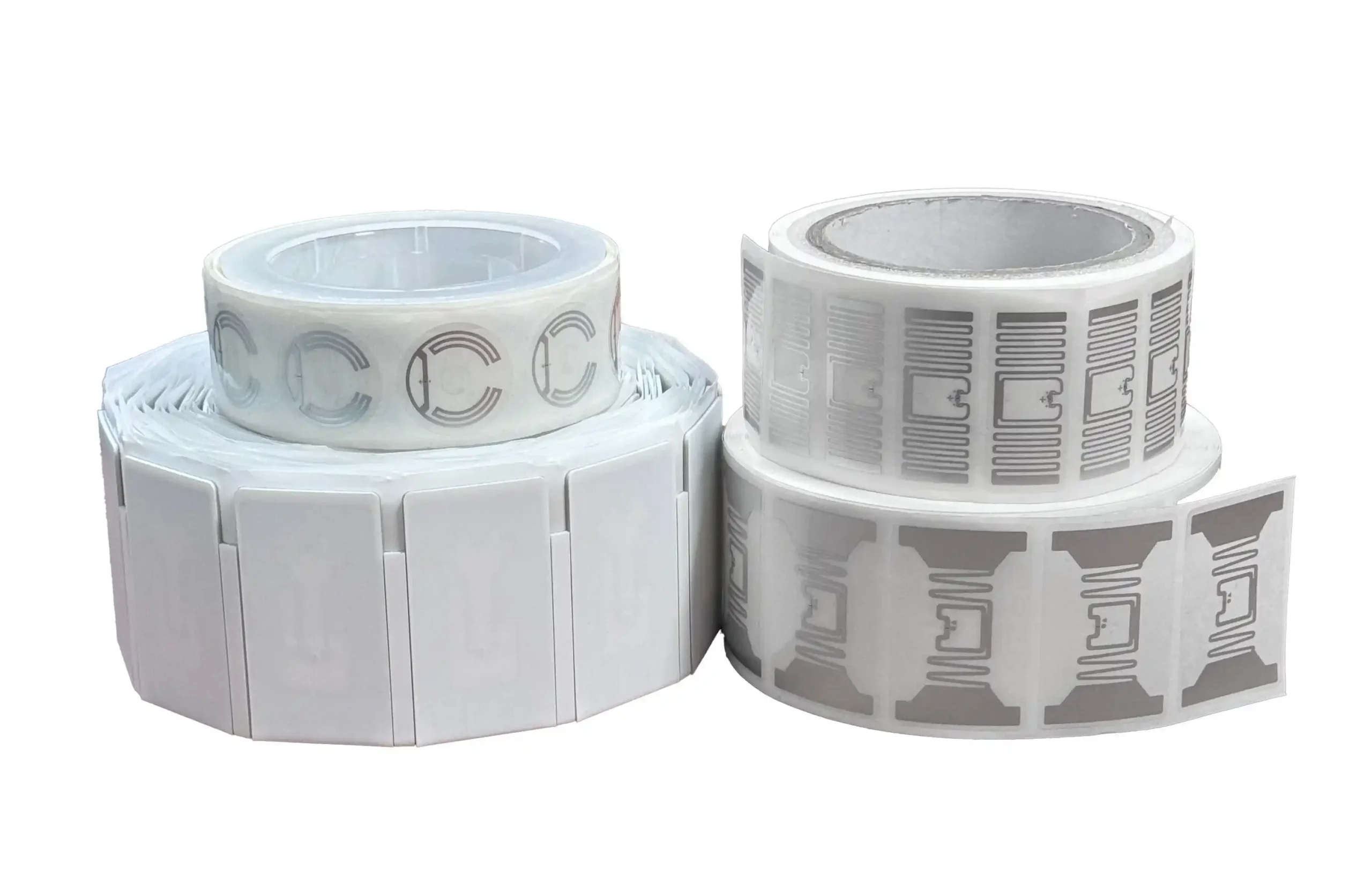
A RFID wash care label is basically a normal care label (nylon/woven/etc.), but it carries an RFID inlay inside so every garment can have a unique ID that readers can pick up fast, even when items are stacked, bagged, or moving.
When you sew the ID into the garment, you stop relying on removable hangtags. That’s the key: the identity stays with the product.
If you want examples of formats and options, these pages show common directions:
Traditional wash care labels are still important. They carry care instructions, fiber content, and basic manufacturing info. They do the compliance job.
But they’re static. They don’t give you:
bulk reading
item-level trace
automatic check-in / check-out
proof of movement through your workflow
So your ops still runs on humans + manual scanning + “best effort.” And best effort is fine… until scale hits.
Garment Digitization
Garment digitization sounds big, but it’s simple:
Each item becomes a trackable object with a unique identity. Then you capture events: received → stored → picked → sold → returned → repaired → resold.
RFID wash care labels are a clean first step because they’re:
persistent (stitched in)
low-friction (doesn’t change how the garment feels)
operationally useful (you can read without line of sight)
And it’s not just retail. In DCs, RFID helps at choke points: inbound dock doors, conveyor tunnels, pack-out stations. That’s where items “leak” when you only rely on barcode scans.
If you’re in uniform rental, hospital linen, hotel laundry, you already know: labels die young.
Industrial wash cycles are harsh—heat, chemicals, pressure extraction, ironing. RFID wash care labels (and textile laundry tags) exist because normal tags can’t survive long enough to be useful.
Most garment and laundry rollouts lean on UHF standards because throughput matters. You’re not tapping items like NFC. You’re reading loads of pieces fast.
When you stick to common standards (EPC Gen2 / ISO18000-6C), you reduce integration drama:
easier reader compatibility
easier middleware choices
smoother multi-site rollout
UHF building blocks that support care labels and textile tags start with the inlay:
Here’s the unsexy truth: deployments fail for boring reasons.
wrong chip for the read environment
antenna not tuned for fabric + body + moisture
encoding plan not consistent across factories
print + encode mismatched
QC not strict, so reads become “sometimes ok”
That’s why teams often prefer a factory-direct OEM/ODM partner who can handle antenna → inlay → finished label → printing → encoding → packaging as one controlled chain.
CXJ Smartcard’s positioning is exactly in that lane: OEM/ODM RFID cards, tags, wristbands, inlays, and laundry labels, built for pilot-to-scale with QC focus.
If you’re building a full program (not just one tag), it’s usually a mix of item-level and asset-level identifiers. CXJ Smartcard’s catalog supports that broader ecosystem:
Garments: RFID wash care labels, UHF hangtags, RFID inlays
That matters because once you digitize garments, teams often realize: “Wait, we should also tag return bins, rolling cages, and high-loss fixtures.” That’s how projects grow. Kinda naturally.