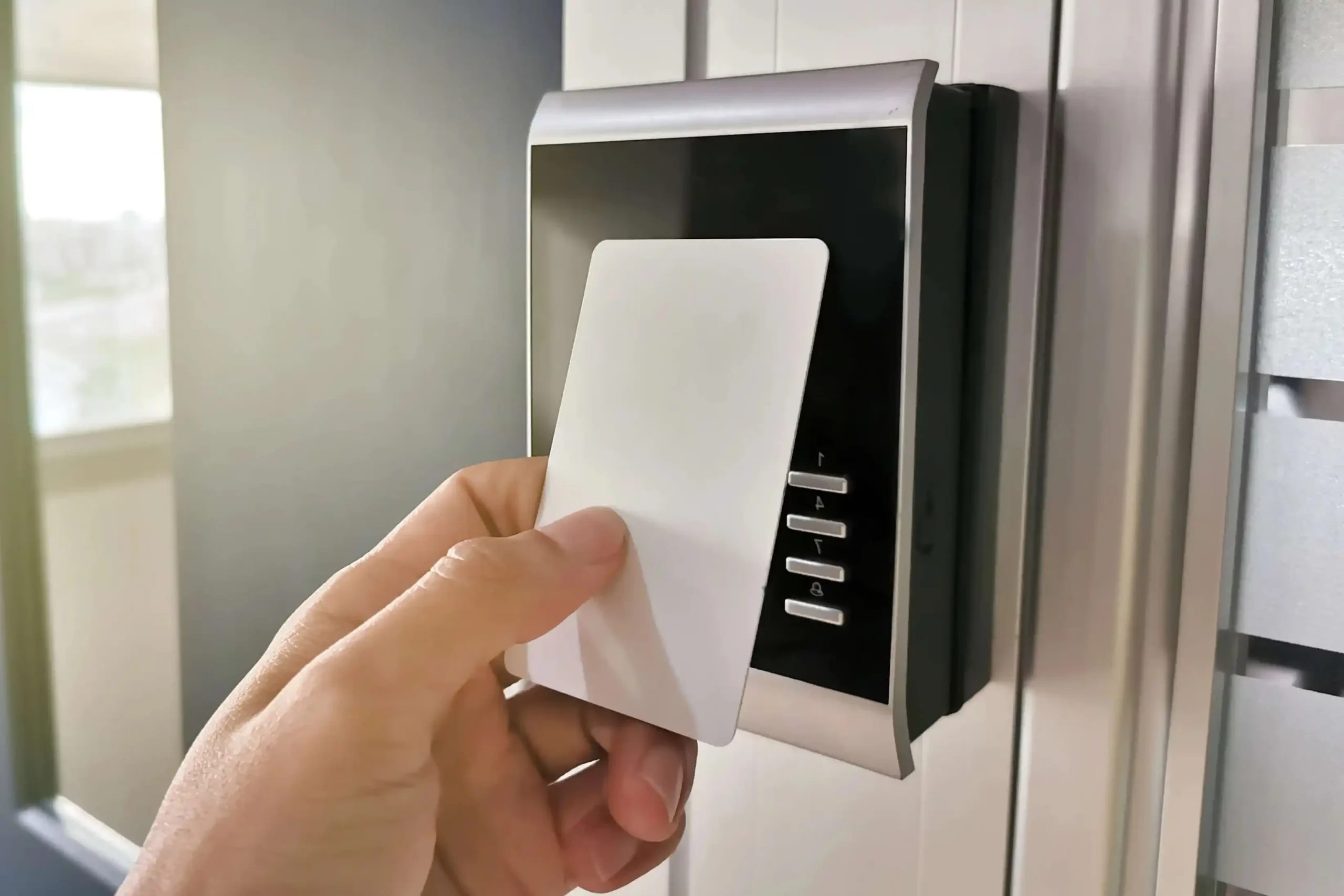
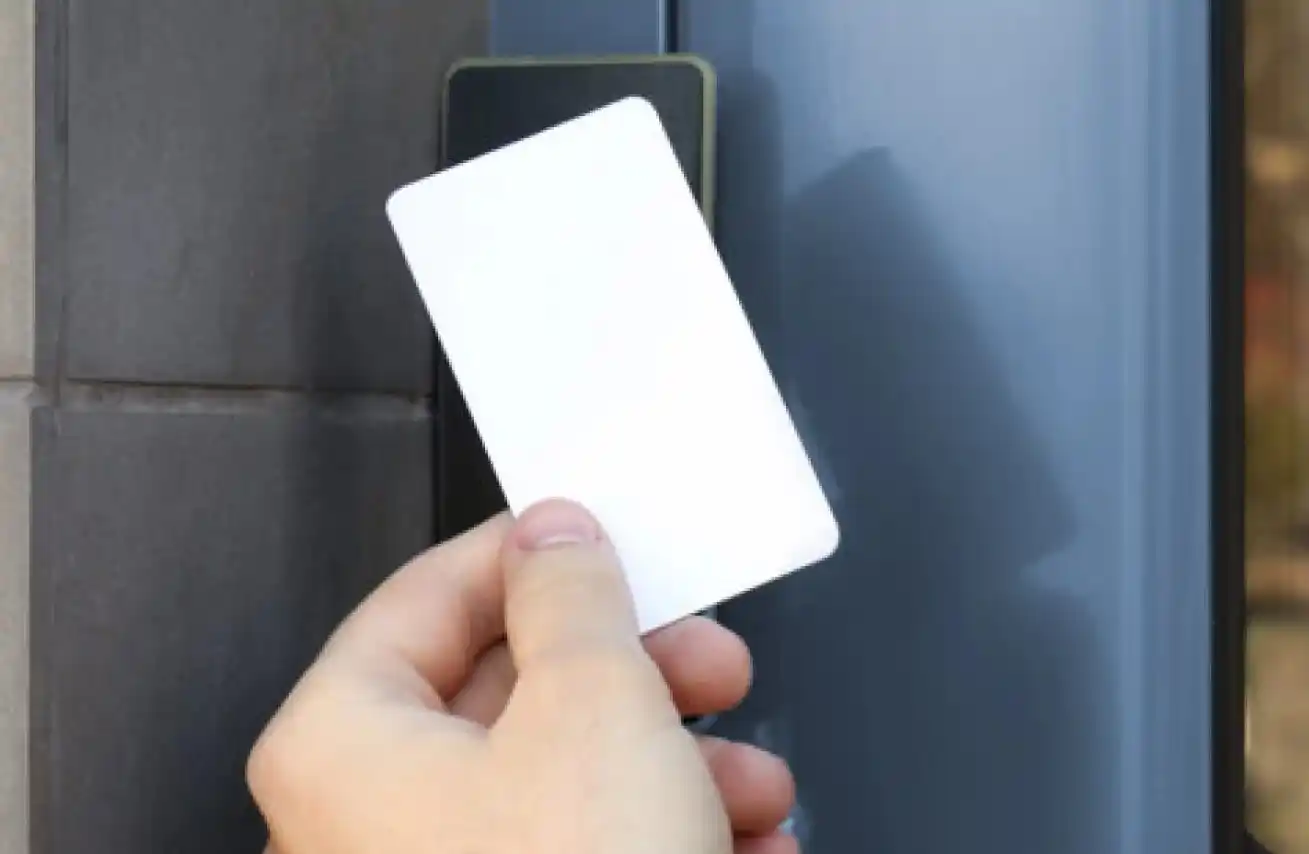
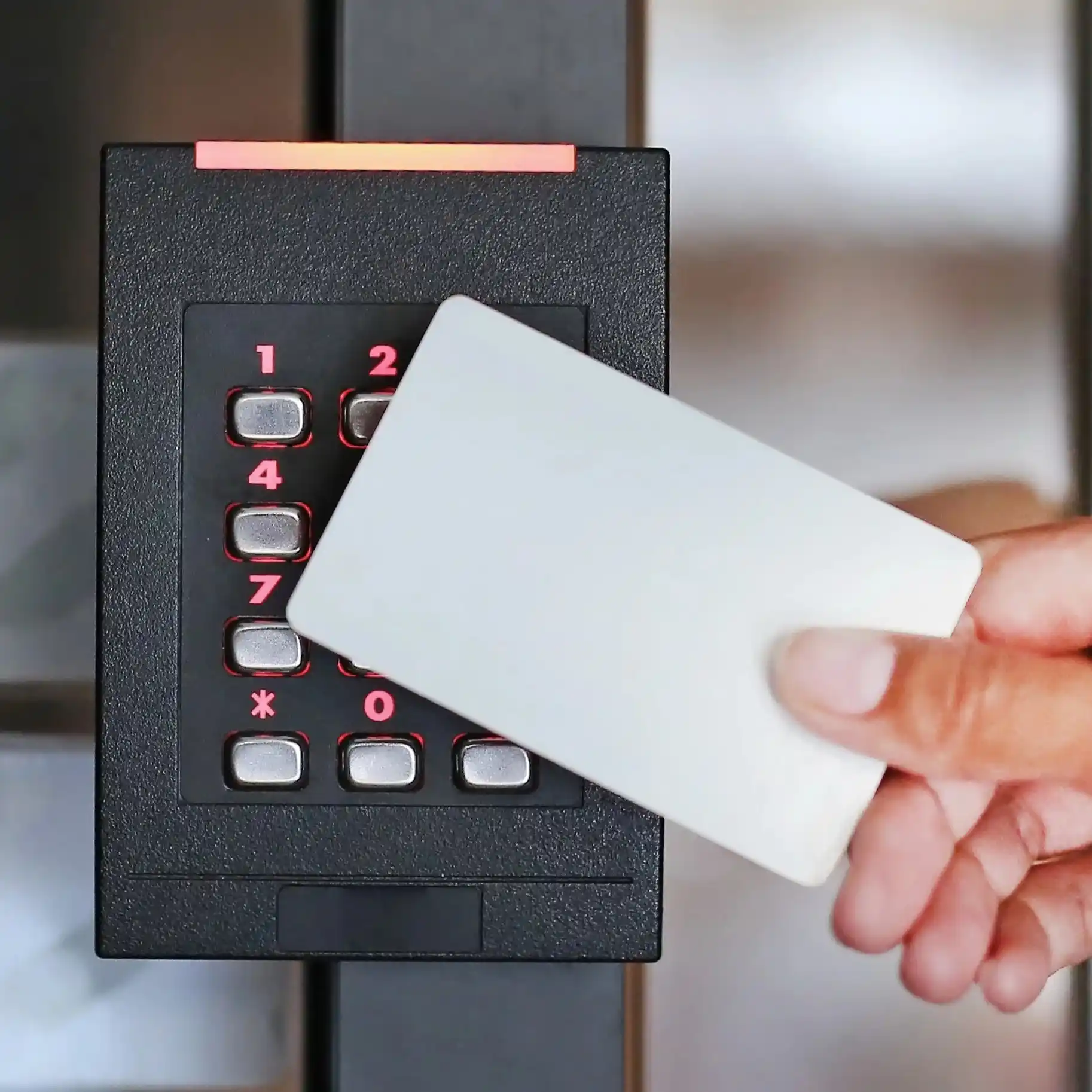
Hotel key cards look simple. In real life, they can make or break your front desk flow. When a guest taps three times and the door still won’t open, nobody blames “RFID compatibility.” They blame you.
So here’s the argument I’ll stand on: pick hotel RFID key cards in this order—compatibility first, then chip security, then eco-friendly materials. If you flip that order, you’ll end up reissuing cards all day and explaining awkward stuff to management.
RFID Compatibility for Hotel Door Locks: 13.56 MHz, ISO/IEC 14443, ISO/IEC 15693
Start with what your locks can read. Most hotel systems use HF 13.56 MHz and speak ISO/IEC 14443 (tap cards) or sometimes ISO/IEC 15693 (vicinity style). Some older installs still run LF 125 kHz.
If you don’t match frequency + protocol, the fanciest chip in the world becomes a dead card.
Confirm protocol (ISO/IEC 14443A/B vs ISO/IEC 15693)
Confirm your encoder supports the chosen chip family
Confirm the lock vendor’s credential format (how they store data, how they validate access)
If you’re unsure, do a small pilot: 20–50 cards, real guests, real doors, real staff shift changes. It’s the fastest way to avoid “works in the office, fails on floor 12” drama.
Chip Type for Hotel RFID Key Cards: Guest Cards vs Staff Credentials
Guest key cards vs staff access cards: memory and permissions
Hotels usually have two very different credential jobs:
Guest room cards: simple access, short lifecycle, huge volume.
Staff cards: more doors, more privileges, longer lifecycle, higher risk.
That difference matters because staff credentials often need stronger key control and cleaner permission logic. If you treat staff cards like guest cards, you invite messy access creep. It happens slowly, then it bites you.
Chip comparison table for hotel RFID key cards
Chip family / type
Typical hotel use
Security notes (plain English)
MIFARE Classic
Legacy room locks, basic access
Known weaknesses; not ideal for higher-security new deployments
MIFARE DESFire EV2 / EV3
Rooms + staff areas, higher-security sites
Supports stronger security features and more flexible key management
Ultralight C
Short-stay / controlled, lower-risk use
Supports 3DES; better for limited-use workflows than long-term secure access
NTAG (NFC)
Guest engagement touchpoints
Great for NFC experiences; not automatically a hotel lock credential
ISO 15693 (vicinity)
Some access systems, special workflows
Can behave differently vs 14443; your reader decides what works
UHF EPC Gen2
Linen, inventory, logistics (not door unlock)
Built for bulk reads at distance, not tap-to-open doors
My practical take: don’t force one chip across everything. Many properties run a split on purpose: secure HF credentials for doors, plus UHF tags for operations like laundry and assets.
Security for Hotel RFID Systems: Encryption and Key Management
Security isn’t only “does the chip encrypt.” You also need the boring part that actually saves you: key management.
If your whole property uses one static key and it leaks, you’ve got a wide open mess. A safer setup uses:
Key diversification (per property, per system, sometimes per door group)
Key rolling / versioning (so old credentials die cleanly)
MIFARE Classic is common in legacy installs, but public research has discussed real weaknesses around Crypto-1 and practical attacks. If you’re building a new system, or you host VIPs, or your threat model isn’t “we’re in the middle of nowhere,” you should be cautious.
Classic can still show up in low-risk setups, but treat it as a legacy choice, not your default.
Why DESFire EV2 / EV3 fits higher-security hotel use
DESFire EV2/EV3 class credentials generally support stronger crypto options (like AES) and more structured applications. That makes it easier to run proper key hierarchies and reduce blast radius if something goes wrong.
If you want one phrase to use internally: “We’re buying a credential platform, not just a card.” That mindset makes better decisions.
System vulnerabilities: why patching matters as much as card choice
Even with good chips, bad system design can hurt you. The Unsaflok incident showed how certain hotel lock systems could be attacked under specific conditions, and vendors published mitigation guidance and upgrade paths.
So yes, choose a stronger chip. Also:
Patch firmware on locks and encoders
Tighten encoder access (who can issue keys)
Audit staff access regularly
Keep an emergency procedure for lockouts that doesn’t create new security holes
Security is a process. It’s annoying, but it works.
Eco-Friendly Materials for Hotel RFID Key Cards: PVC, PETG, Wood, Paper
“Eco” is great until cards warp, snap, or fade. Then you’re reprinting and shipping more, which is also not eco. So balance sustainability with durability.
Eco-friendly material comparison table for hotel key cards
Material
Best hotel scenario
What you’ll like
What to watch
PVC
Standard guest cards
Durable, prints well, stable
Environmental concerns; sustainability messaging is harder
PET / PETG
Premium feel, heat/moisture tolerance
Tough, clean look, better story in many cases
Recycling depends on local systems
Wood / Bamboo
Boutique, resort branding
Looks premium, great “natural” vibe
Grain varies; printing and QC needs planning
ABS (thicker)
Rough handling, key tags
Impact resistant
Thickness can be an issue for some readers/wallets
Paper / wristband-style
Events, waterparks, day passes
Fast issue, hard to lose
Short lifespan, not for long stays
If your hotel pushes sustainability hard, I’d consider PETG or wood/bamboo for the guest-facing story, while keeping a durable standard option for high-wear roles. You can mix materials by guest tier, too. That’s a real-world trick, and it’s not weird.
Practical Hotel Scenarios: Resorts, Staff Doors, Laundry, Parking
Here’s where decisions get easy, because the workflow tells you what to buy.
Resort wristbands for pool and spa access
If guests live in swimsuits, cards disappear. Wristbands fix that. They also speed up tap-and-go at towel desks, kids zones, and paid experiences. You reduce reissues. Your team stays sane. Everybody wins (ok, mostly).
RFID laundry tags for linen tracking
If you manage sheets, towels, robes, and uniforms, door cards won’t help. Use UHF RFID wash care labels so you can scan in bulk and track loss across cycles. This is where RFID actually saves ops time, not just “adds tech.”
RFID keyfobs for staff, parking, and gyms
Keyfobs work well for staff entrances, parking gates, and fitness rooms. They’re harder to bend, easier to clip, and guests don’t confuse them with room cards. Simple win.
Hotel OEM/ODM RFID Card Manufacturing: Encoding, Printing, and Quality Control
Hotels don’t need random cards. They need finished credentials: artwork, numbering, encoding, verification, packaging, and predictable delivery.
At CXJ Smart Card, we build OEM/ODM RFID products end-to-end—from antenna/inlay to finished cards and tags, plus printing and encoding. We run factory-direct production with ISO-led processes, and we support pilot runs that can scale into full batches without making you redo everything.
If you’re sourcing for hotels, these product categories usually cover most needs:
We can also help you avoid common rollout pain: mismatched chip specs, messy encoding files, unclear print tolerances, and “offer looks good but QC is random.” That stuff happens a lot in bulk buying.
Sources used for the technical arguments
NXP product documentation and security notes for MIFARE DESFire EV2/EV3 and Ultralight C
Public security research discussing weaknesses in MIFARE Classic (Crypto-1)
Vendor security advisories and public summaries around the Unsaflok/Saflok hotel lock incident
Environmental and health discussions on PVC lifecycle concerns (used only for material tradeoff context)